
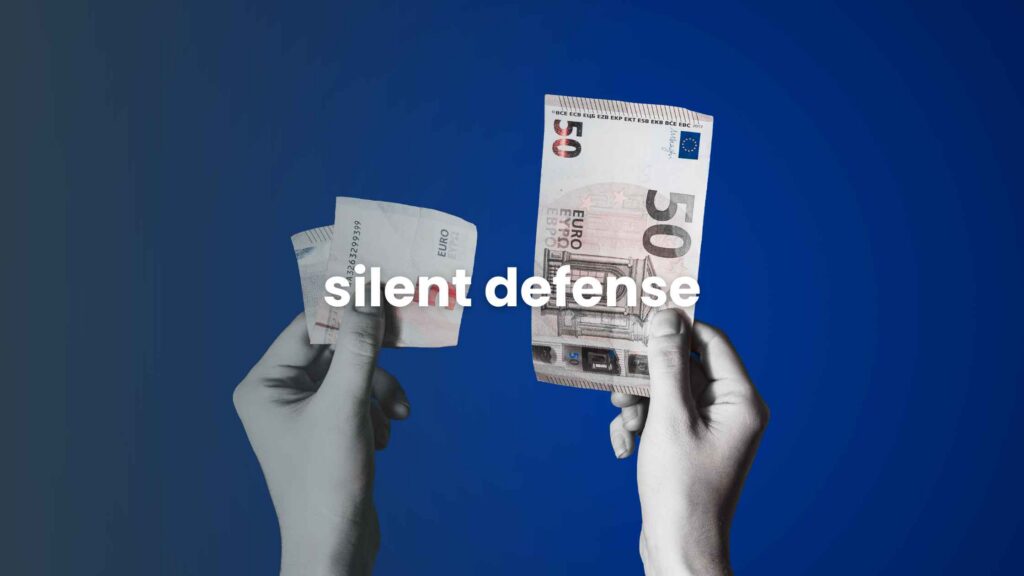
“One currency to rule them all”
When the euro officially became a currency on December 31, 1998, it was more than a financial change. It was a statement. Twelve European countries replaced their national currencies with a single unit, creating the largest monetary union in modern history. The world watched, curious about how this bold experiment would shift global economics.
Breaking down borders with money
“The euro erased more than coins—it erased limits.”
Before the euro, traveling across Europe meant constantly exchanging money, calculating fluctuating rates, and paying extra fees. After its introduction, the process became simpler for both tourists and businesses. The single currency not only reduced transaction costs but also boosted cross-border trade. According to studies from the European Central Bank, intra-European trade increased by over 5% in the first few years after the euro was introduced.
But the euro’s impact wasn’t limited to convenience. It was a political signal: these nations were committed to shared economic stability. Investors from outside Europe took notice, shifting portfolios and capital flows toward the eurozone, which began to influence global markets almost immediately.
How the euro challenged global power dynamics
“Dollar dominance met a worthy competitor.”
Historically, the US dollar has been the cornerstone of global trade. The euro’s introduction created the first real alternative, giving countries and investors an option outside of dollar-based transactions. Over time, this diversification reshaped international finance, reducing the monopolistic leverage the US dollar once held.
While the euro didn’t overthrow the dollar, it became a serious player. Central banks around the world started holding euros as reserves, and multinational corporations began pricing contracts in euros, particularly in energy markets and manufacturing. By 2002, the euro was fully circulating as physical notes and coins, further cementing its influence.
Lessons from the euro experiment
“Currency is more than numbers—it’s trust.”
The euro taught us that currency isn’t just a tool for buying and selling. It is a social contract between nations and citizens, a statement of trust and political alignment. Economists argue that the euro also exposed the delicate balance between shared economic policy and national sovereignty, a lesson that continues to influence debates over fiscal policy in the EU.
Additionally, the euro demonstrated the ripple effect of monetary policy. Interest rates, inflation controls, and financial stability in the eurozone started to directly affect not only Europe but also global markets from Asia to the Americas.
How the world still feels the euro today
“Decades later, we’re still learning its lessons.”
Today, more than two decades later, the euro remains one of the world’s most significant currencies. Global investors, governments, and even travelers experience its impact daily. Its introduction reshaped expectations around currency unions, globalization, and financial strategy. In essence, the euro became a quiet yet powerful player in the interconnected world economy.
Countries outside the eurozone, from the UK to Japan, have studied its effects carefully, considering what worked and what failed. Its story is a reminder that currency changes can be revolutionary, even when they start quietly in the background.