
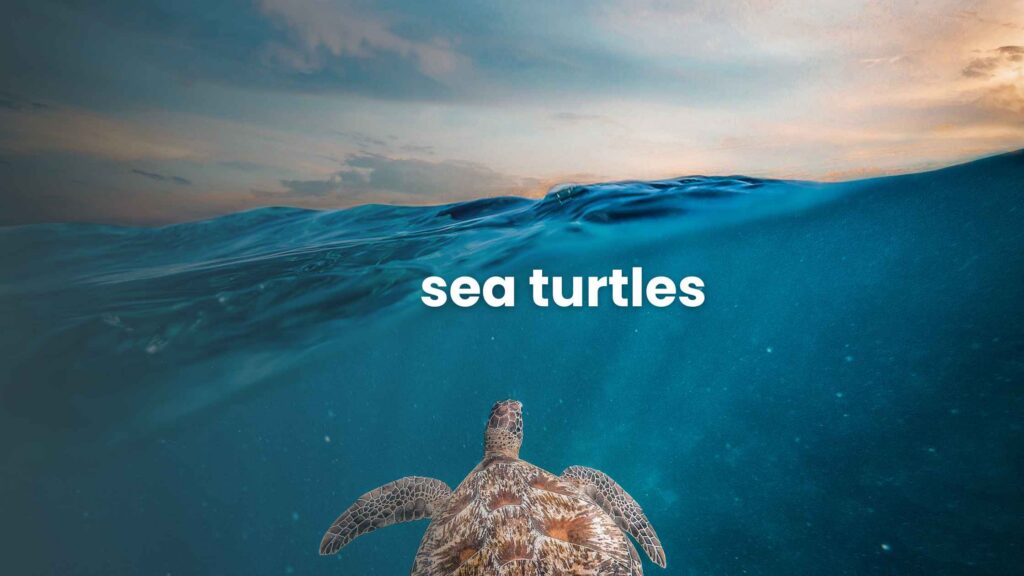
Sea turtles are among nature’s most fascinating navigators, embarking on epic journeys across vast ocean expanses only to return to the same beach where they were born to lay their eggs. This awe-inspiring phenomenon has puzzled scientists and inspired conservationists for decades. What is it about their birthplace that keeps calling these majestic creatures back? Let’s dive into the science, survival instincts, and the mesmerizing traditions of these ancient mariners.
“Home Is Where the Sand Is”
Research suggests that sea turtles possess an extraordinary sense of navigation, akin to an internal GPS. This ability, often referred to as natal homing, is guided by a combination of magnetic cues, chemical signals, and environmental markers. Upon hatching, baby sea turtles imprint on the unique characteristics of their natal beach, such as its magnetic field and chemical composition.
Studies conducted by the University of North Carolina have demonstrated that sea turtles can detect subtle variations in the Earth’s magnetic field, enabling them to remember their birthplace and find their way back decades later. This magnetic imprinting is believed to be one of the most crucial factors driving their remarkable homing behavior.
The Role of Magnetic Fields
Sea turtles navigate using the Earth’s magnetic field, which acts like a natural compass. Each beach has a unique magnetic signature, much like a fingerprint. Hatchlings memorize this signature during their first crawl to the ocean.
Research published in Current Biology found that when adult sea turtles were displaced thousands of kilometers from their nesting sites, they still managed to find their way back by sensing these magnetic cues. This magnetic memory remains intact throughout their lifetime, guiding them back to the same stretch of sand.
“A Survival Strategy Etched in Time”
Returning to the same beach is not merely sentimental; it’s a survival strategy honed by millions of years of evolution. These beaches have proven to be suitable environments for successful hatching. Factors such as sand temperature, beach slope, and proximity to the ocean play vital roles in the incubation and survival of sea turtle eggs.
By returning to these familiar nesting sites, sea turtles increase the likelihood of their offspring thriving. Over generations, natural selection has favored turtles that exhibit this behavior, reinforcing the instinct to return to their birthplace.
Chemical Imprinting and the Power of Memory
In addition to magnetic cues, chemical imprinting may also play a role in guiding sea turtles back to their natal beaches. The sand and water of a beach contain distinct chemical markers, which hatchlings are thought to remember.
Similar to how salmon use their olfactory senses to return to their natal rivers, sea turtles may rely on their sense of smell to detect these unique chemical cues. This dual navigation system ensures that they can locate the precise beach where their life began.
“Challenges in a Changing World”
Unfortunately, human activity poses significant threats to this delicate navigation system. Coastal development, pollution, and climate change are altering the magnetic and chemical characteristics of beaches, disrupting the turtles’ ability to find their way back.
Additionally, artificial lighting on developed beaches can disorient nesting females and hatchlings, leading them away from the ocean and reducing their chances of survival. The rising temperatures caused by climate change also affect the sex ratio of hatchlings, as warmer sands produce more females and cooler sands produce more males.
| Threat | Impact on Sea Turtles |
|---|---|
| Coastal development | Loss of nesting sites |
| Artificial lighting | Disorientation of hatchlings and adults |
| Climate change | Skewed sex ratios due to temperature shifts |
| Pollution | Habitat degradation and ingestion of plastics |
“Conservation Efforts: Protecting Their Journey Home”
Thankfully, conservation efforts are underway to protect these vital nesting sites and ensure that sea turtles can continue their age-old tradition. Initiatives such as beach cleanups, the establishment of protected marine areas, and the use of turtle-friendly lighting are making a difference.
Organizations like the Sea Turtle Conservancy and local grassroots groups are working tirelessly to monitor nesting beaches, educate the public, and advocate for policies that protect these remarkable creatures. Community involvement is crucial in safeguarding their habitats and preserving this incredible natural phenomenon.
Keeping the Tradition Alive
The story of sea turtles returning to their natal beaches is a testament to the resilience of nature and the intricate connections that bind creatures to their environment. Despite the challenges they face, sea turtles remain steadfast in their journey, reminding us of the importance of protecting our planet’s delicate ecosystems.
By supporting conservation efforts and making mindful choices, we can help ensure that future generations will continue to witness the awe-inspiring sight of sea turtles emerging from the ocean to lay their eggs on familiar shores.