
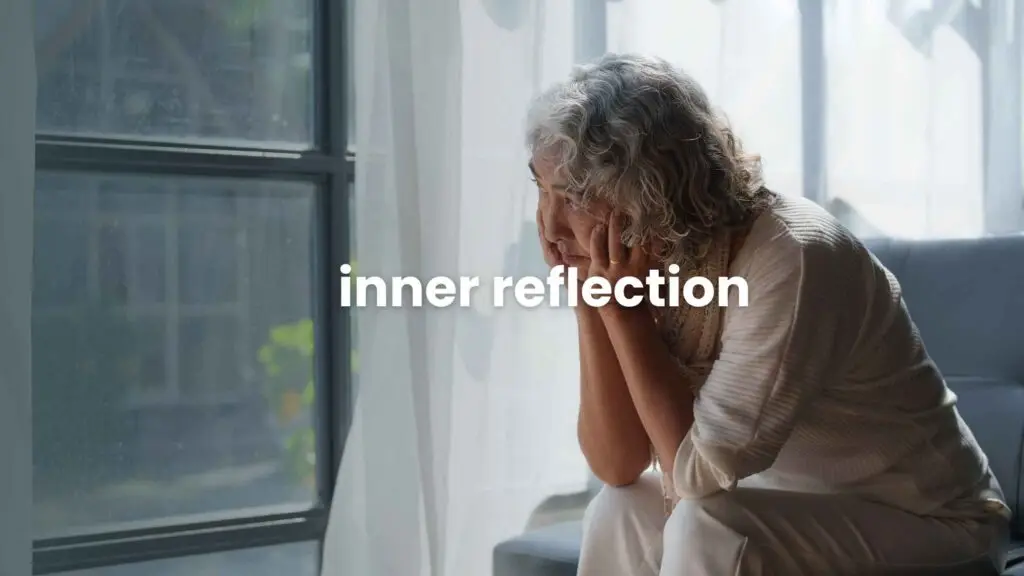
“Your Inner World Reflects in Every Relationship You Build”
Relationships – whether with a partner, friends, or family – are more than just connections. They are mirrors. They reflect back not just who you are, but also how you view yourself and the world around you. If you’ve ever wondered why certain relationships seem effortless while others feel like an uphill battle, the answer might lie within. As uncomfortable as it might sound, relationships often hold up a mirror to our inner world, showing us our strengths, insecurities, and the areas where we need to grow.
Let’s dive into why this happens and how understanding this concept can lead to deeper, more fulfilling relationships.
The Science Behind Relationships as Mirrors
Psychologists often explain relationships through the lens of projection. This is a psychological concept where we unconsciously project our feelings, fears, and desires onto others. For instance, if you feel insecure about your own abilities, you might interpret someone else’s success as arrogance. In essence, how we see others says a lot about how we see ourselves.
In fact, a study published in the Journal of Personality and Social Psychology revealed that people tend to gravitate towards relationships that reflect their self-image. If you have a positive self-image, you’re more likely to attract positive, supportive relationships. Conversely, unresolved inner struggles often manifest as tension or conflict in your relationships.
“The Patterns You See in Others Are Clues to Yourself”
Have you noticed recurring patterns in your relationships? Perhaps you feel like you’re always the one giving more or that certain people seem to push your buttons. These patterns aren’t random; they’re reflections of your inner world.
Examples of Relationship Reflections:
- Conflict and Criticism: If you often feel criticized in your relationships, it could stem from a harsh inner critic. You might unconsciously expect others to reflect the self-judgment you impose on yourself.
- Feeling Unheard: If you feel like no one listens to you, it might indicate that you’re not expressing yourself clearly or valuing your own voice enough.
- Attracting Toxic Partners: Consistently finding yourself in toxic relationships could signal unresolved trauma or low self-worth that draws you to people who reinforce these feelings.
Relationships With a Partner: The Ultimate Mirror
Romantic relationships, in particular, are often the most revealing. When you’re deeply connected with someone, it’s nearly impossible to hide your vulnerabilities. This is why many people say their partner brings out the best – or the worst – in them.
Attachment Styles: How Your Inner World Shapes Love
Psychologist John Bowlby’s attachment theory sheds light on how our early experiences influence adult relationships. Your attachment style (secure, anxious, or avoidant) is often a reflection of how you were cared for as a child. For example:
- If you had consistent love and support growing up, you’re more likely to have a secure attachment, leading to stable, trusting relationships.
- If your caregivers were unpredictable, you might develop an anxious attachment, leading to fear of abandonment in adult relationships.
- If you experienced neglect, you might adopt an avoidant attachment, leading to difficulty opening up to others.
Understanding your attachment style can help you see how your inner world impacts your romantic relationships – and how you can work towards healthier patterns.
Family and Friends: The Subtle Reflections
While romantic relationships are often the most intense mirrors, family and friendships are equally revealing. These relationships, built over years, often reflect your foundational beliefs and unresolved issues.
How Family Shapes Your Inner World
Your family relationships are usually the earliest mirrors of your inner world. Growing up, your self-worth, communication style, and emotional patterns were influenced by how your family interacted with you. For example:
- If you were constantly seeking approval from a parent, you might find yourself seeking external validation in friendships or romantic relationships.
- If conflict was avoided in your family, you might struggle to express your emotions in adulthood.
Friendships and Self-Awareness
Friendships are unique mirrors because they often reflect the values and traits you admire. Surrounding yourself with kind, uplifting friends can indicate a positive self-perception, while toxic friendships might signal unresolved inner conflicts or low self-esteem.
“Healing Your Inner World Heals Your Relationships”
The good news? By working on yourself, you can transform your relationships. Here’s how:
1. Practice Self-Awareness
Start by reflecting on recurring patterns in your relationships. Ask yourself: What emotions do these patterns trigger? What do they reveal about how I see myself?
2. Work on Self-Love
The relationship you have with yourself sets the tone for all other relationships. Practice self-compassion, forgive your past mistakes, and prioritize your emotional well-being.
3. Seek Feedback
Sometimes, others see what we can’t. Ask trusted friends or family members for constructive feedback about how you show up in relationships. This can provide valuable insights into blind spots.
4. Set Healthy Boundaries
Healthy relationships require boundaries. These protect your inner peace and prevent you from projecting your unresolved issues onto others.
5. Consider Therapy
A therapist can help you uncover deeper layers of your inner world and guide you through healing and growth. This, in turn, can transform the dynamics of your relationships.
How to Use Relationships as Tools for Growth
Instead of viewing challenges in relationships as purely negative, see them as opportunities for self-discovery. When a conflict arises, pause and ask yourself:
- What is this situation revealing about me?
- Am I projecting any unresolved feelings onto this person?
- How can I use this experience to grow?
By approaching relationships with curiosity and a growth mindset, you can turn even the most challenging interactions into valuable learning experiences.
The Takeaway: Mirrors Are Meant for Reflection
Your relationships are powerful tools for self-awareness and growth. They reflect back not just who you are but also who you have the potential to become. By embracing this perspective, you can deepen your connections, heal unresolved wounds, and create more harmonious and fulfilling relationships.
Remember, the mirror doesn’t lie – but it can guide you toward the truth about yourself and your inner world.