
When you picture life in the desert, images of parched land and scorching heat likely come to mind. It’s hard to imagine how any creature could thrive in such a relentless environment. Yet, some desert animals have developed astonishing adaptations that allow them to survive—and even flourish—without drinking water. Let’s explore the fascinating science behind their survival strategies.
“Adaptation Is the Key to Survival”
Surviving in a desert environment is all about adaptation. The limited availability of water forces animals to develop ingenious ways to conserve and obtain moisture. Here are some of the most remarkable adaptations found in desert animals:
- Efficient Metabolism Many desert animals have evolved metabolic processes that produce water internally. When fats and carbohydrates are broken down during metabolism, they release water as a byproduct. For example, kangaroo rats, which are native to North American deserts, derive nearly all their required water from the food they eat, primarily seeds.
- Minimized Water Loss Evaporation is the primary way animals lose water, particularly through sweating and respiration. Desert animals have physiological adaptations to minimize this loss. Many have thick skin, fewer sweat glands, and concentrated urine to retain as much water as possible.
- Behavioral Adaptations Avoiding the heat is another critical strategy. Nocturnal behavior is common among desert dwellers. By being active during the cooler night hours, animals like fennec foxes and desert snakes reduce the need for water to cool their bodies.
Case Studies: Masters of Waterless Living
Kangaroo Rat: The Desert’s Waterless Wonder
The kangaroo rat is a prime example of an animal that doesn’t need to drink water. These small rodents have incredibly efficient kidneys that produce highly concentrated urine, minimizing water loss. Additionally, their nasal passages trap moisture from exhaled air, which is then reabsorbed into their bodies.
Thorny Devil Lizard: Nature’s Sponge
Native to the arid regions of Australia, the thorny devil lizard has an extraordinary ability to collect water from the environment. Its skin is covered in tiny grooves that channel dew and rain directly to its mouth.
Oryx: The Heat-Resistant Herbivore
Oryxes are large antelopes found in African deserts. They can tolerate an internal body temperature of up to 46 degrees Celsius (115 degrees Fahrenheit) without sweating. By allowing their body temperature to rise, they conserve precious water.
“Water in Food: Nature’s Hidden Reservoir”
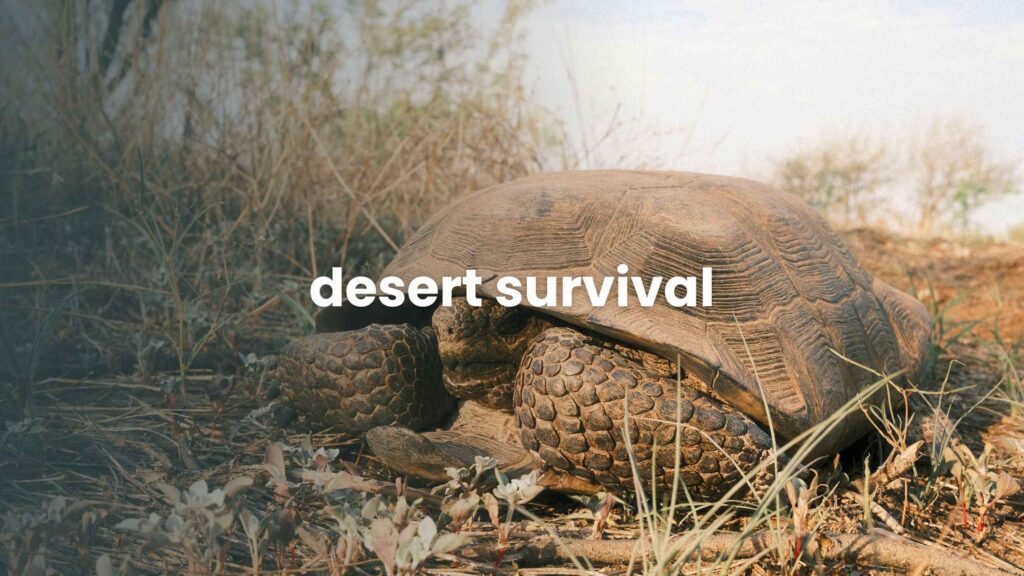
Another fascinating adaptation involves obtaining water from food. Many desert animals consume moisture-rich plants, such as succulents and cacti. For instance, the desert tortoise eats prickly pear cactus, which provides both hydration and nutrients.
| Animal | Primary Water Source | Notable Adaptation |
|---|---|---|
| Kangaroo Rat | Metabolic water | Highly efficient kidneys |
| Thorny Devil | Dew and rainwater | Water-channeling skin grooves |
| Oryx | Vegetation moisture | High heat tolerance |
| Desert Tortoise | Cacti and succulent plants | Water storage in bladder |
“Can Humans Learn from Desert Animals?”
The remarkable survival mechanisms of desert animals have inspired scientific research and technological advancements. For example, biomimicry has led to the development of water-harvesting materials that mimic the thorny devil lizard’s skin.
Ethical and Environmental Considerations
Understanding how desert animals survive without drinking water also highlights the importance of protecting these fragile ecosystems. Climate change and human activities are threatening desert habitats, putting many of these resilient species at risk.
Final Thoughts
Desert animals have evolved incredible adaptations that allow them to live without direct access to water. From efficient metabolisms to behavioral strategies and specialized physiology, their survival is a testament to nature’s ingenuity. By studying and protecting these creatures, we not only gain insight into the wonders of the natural world but also find inspiration for solving some of humanity’s toughest challenges.