
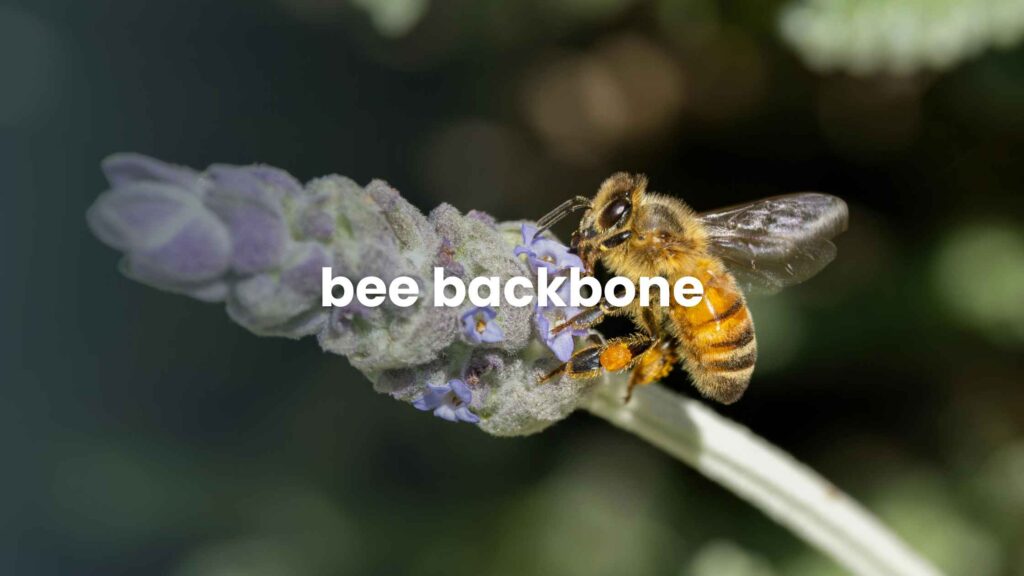
Look closely at a flower, and you might spot a tiny hero doing the work of hundreds of human hands. Bees. Often taken for granted, these small creatures are critical to our food system, silently keeping our diets diverse and our economies buzzing.
“Without bees, our plates would be emptier than a hive in winter.”
Despite their size, bees pollinate a significant portion of the crops we rely on daily. Apples, almonds, blueberries, cucumbers—almost one in three bites of food we eat depends on their tireless work.
Pollination: more than just a buzzword
Pollination occurs when bees transfer pollen from the male part of a flower to the female part, enabling plants to produce fruits, nuts, and seeds. While wind and other insects can help, bees are especially efficient. According to the Food and Agriculture Organization (FAO), honeybees alone contribute billions of dollars annually to global agriculture.
Without this pollination, many crops would see dramatic declines in yield and quality. A world without bees would not only reduce the variety of foods available but also increase prices due to scarcity.
“Bees don’t just make honey; they make dinner possible.”
The economic impact of bee decline
Alarmingly, bee populations are declining worldwide due to habitat loss, pesticides, climate change, and disease. The United Nations reports that over 40% of invertebrate pollinator species are threatened with extinction. For the U.S. alone, the loss of honeybee pollination services would cost billions in lost crops annually.
Farmers are forced to hire human pollinators or rent bee colonies, showing just how irreplaceable these creatures are. As one study in Nature pointed out, crop yields drop significantly without natural pollination, proving that bees are far more than a cute accessory to flowers—they are a cornerstone of agriculture.
Beyond the farm: ecological ripple effects
Bees also support wild ecosystems. By pollinating native plants, they ensure that other species—birds, mammals, insects—have food and shelter. This creates a ripple effect, maintaining biodiversity that humans depend on indirectly. Without bees, the ecological balance of many habitats would be threatened, affecting both nature and human food systems.
“When bees disappear, the whole food web wobbles.”
What can we do to help?
Protecting bees requires both local and global efforts:
- Plant bee-friendly flowers: Native plants attract and nourish local pollinators.
- Reduce pesticide use: Chemicals often harm bees directly or weaken their immune systems.
- Support sustainable agriculture: Buying local, organic produce encourages pollinator-friendly practices.
- Advocate for conservation: Policies that protect habitats help bees thrive.
Even small actions, like planting a garden or supporting organic farms, can make a difference.
Quiet heroes, essential work
Next time you spread honey on your toast or enjoy fresh fruit, remember the tiny workers behind the scenes. Bees may be small, but their role is enormous, keeping our plates full, our farms productive, and our ecosystems balanced.
They may not ask for applause, but the world would be a far emptier place without them.