
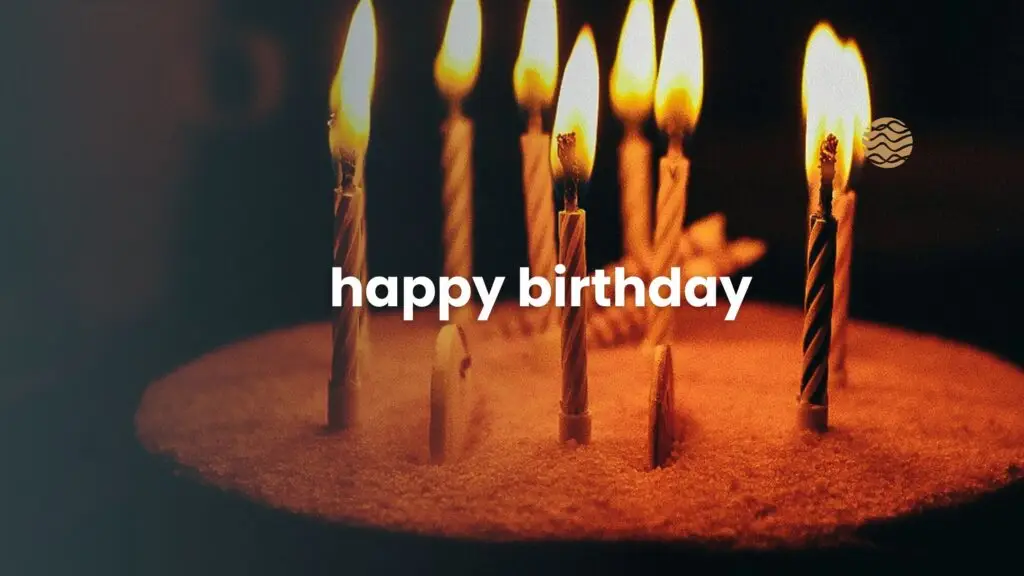
Somewhere along the line, humanity collectively agreed that when you survive another year of life, people should gather around you, stare silently, then watch you blow fire out of sugar dough. And oddly, this feels normal.
But birthdays weren’t always confetti, candles, and awkwardly loud singing. Their roots stretch back thousands of years and across multiple civilizations, each adding a sprinkle of meaning, superstition, or sugar.
Let’s unravel how birthdays became a global ritual rather than just a day you notice your joints more loudly.
Egyptians Started It—Sort Of
The Egyptians were among the first to mark a “birthday,” but not the biological kind. They focused on the moment someone transitioned into a higher state of existence. When pharaohs were crowned, that was considered their real birth. A spiritual birthday.
A new life
New power
New identity
In other words, they believed your true life began when the universe noticed you. Mortals didn’t get balloons.
Ancient Greeks Took The Idea and Added Light
The Greeks did celebrate the birth of gods and goddesses. And from them came something familiar: the candle.
Greek worshipers would make moon-shaped honey cakes for Artemis and place candles on them to mimic the glowing moon. The candles symbolized sending wishes upwards. A flicker of light reaching divine attention.
A candle was a message.
Somewhere between mythology and honey, human beings discovered that blowing candles while wishing feels meaningful.
Romans Finally Said “Let’s Celebrate People Too”
Rome democratized birthdays.
Unlike Egypt, you did not need a throne or crown. If you existed, you earned one day a year where people acknowledged that fact. Romans were the first to record birthdays for regular citizens, give gifts, and host dinners.
But only men.
Women had to wait a few centuries.
During Roman gatherings, family and friends offered small tokens—olive oil, wine, tuning forks for party entertainment (yes, really), and sometimes money.
This was the earliest version of “here, take something you don’t need but will politely accept.”
Medieval Europe Made Birthdays Spiritual Again
During the Middle Ages, birthdays faded in popularity because… well, plague, low life expectancy, and general chaos. But the church reintroduced celebration in the form of name days—celebrating saints instead of selves.
Later, people began celebrating birthdays again because reaching another year of life was statistically impressive. Survival deserved applause.
Also, bakeries existed.
Suddenly, calendars, cakes, and candles met in one cultural moment and the idea stuck.
The German Kinderfest Made Birthdays Child-Focused
The world originally celebrated adult birthdays, not children’s. Kids weren’t expected to make it that far.
In 18th-century Germany, Kinderfest changed that. Children received special cakes with lights. Candles represented the number of years lived plus one for the coming year, symbolizing protection.
The flame had meaning
The wish had intention
The ritual became delight
Children’s birthdays became a reminder of survival, growth, and parental pride.
Slowly, other countries copied the idea.
Gifts Came Later—and Not for Fun
Early birthday gifts weren’t toys, perfumes, or “here’s something you’ll return next week.” They were symbolic protections.
People believed birthdays were spiritually vulnerable days. Evil spirits were allegedly more active. So gifts served to ward off bad forces.
A scarf
A charm
A fruit
A piece of bread
Nothing Instagram-worthy, but deeply sincere.
Over time, when spiritual anxieties faded, gifts became celebratory instead of defensive.
The Cake Became a Display of Prosperity
Historically, cake wasn’t cheap. Sugar was a luxury. Flour was inconsistent. Eggs were unpredictable creatures. Cake meant you had the means to spend resources on temporary joy.
Cake was evidence of abundance.
The bigger the cake, the greater the display.
Eventually, industrialization made ingredients affordable, so cake was no longer a status symbol, but the symbolism stayed: an edible monument to life.
Modern Birthdays Are Cultural Collages
Today birthdays blend:
Egyptian rebirth symbolism
Greek candles as wishes
Roman gifting
German child-focused celebration
Medieval spiritual meaning
Industrial baking convenience
And so we blow light
over sugar
into the air
hoping life stays kind
It’s a ritual stitched from pieces of civilization.
Why We Still Celebrate
We don’t celebrate birthdays because we need another calendar event.
We celebrate because birthdays mark:
Continuity
Aging
Memory
Relationships
Hope
Birthdays remind us that life is still moving and we are still invited into it.
At a deeper level, a birthday celebration says:
“You matter enough to gather around.”
Ancient cultures celebrated life transitions. We celebrate persistence.
Another year earned
Another year survived
Another chapter forming
So when someone hands you a cake topped with miniature flames, know that you’re participating in thousands of years of meaning layered into one moment.
Even if the candles outnumber the cake now.