
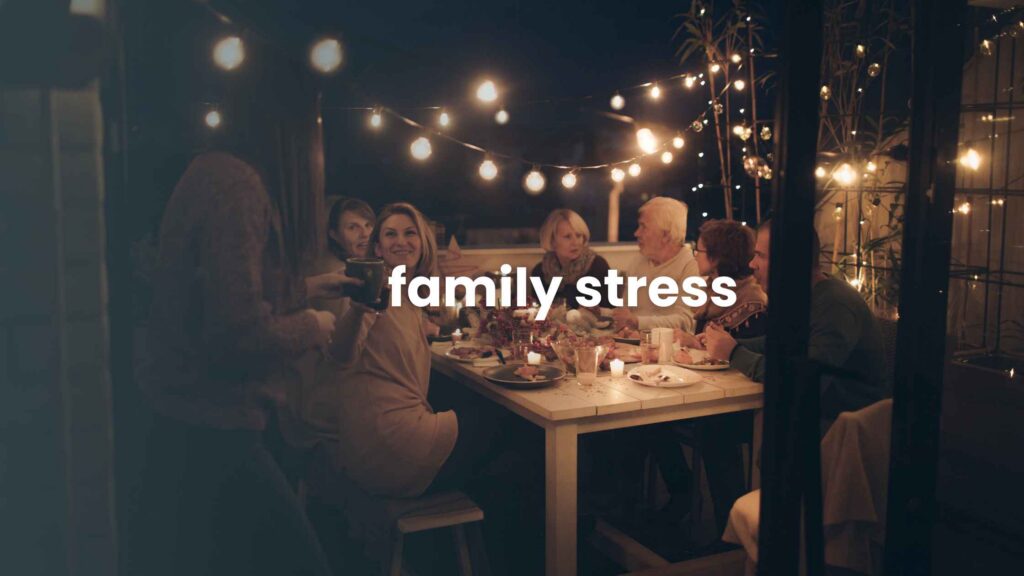
The holiday season is painted as a time of warmth, laughter, and togetherness. Think twinkling lights, festive meals, and everyone getting along like a scene from a Hallmark movie. Yet, for many people, spending Christmas with family is anything but merry. For some, it is a draining, exhausting, and even stressful experience. Toxic family dynamics, unresolved conflicts, or simply clashing personalities can turn what should be a festive holiday into a week-long emotional marathon.
Sometimes the Christmas spirit is less about joy and more about endurance.
This article explores why being with family can feel exhausting, what research says about family stress, and practical strategies to survive — or even reclaim — the holiday season.
The hidden stress of family gatherings
Family gatherings often amplify both positive and negative emotions. Psychologists refer to family as a primary social group, which means interactions are more emotionally charged than those with coworkers or acquaintances. When family dynamics are healthy, this closeness can feel comforting. When they are toxic or strained, the emotional intensity can be exhausting.
Research in social psychology shows that people often feel emotional labor during family events. They consciously or unconsciously regulate their behavior to avoid conflict, placate difficult relatives, or maintain appearances. This requires energy and can lead to fatigue, irritability, and even physical symptoms such as headaches or insomnia.
“It’s not you, it’s the dynamics”
It’s common for people to blame themselves when holiday gatherings feel draining. Yet, much of the stress is structural. Toxic family patterns can include:
- Persistent criticism: Relatives who judge lifestyle, career choices, or personal decisions.
- Conflict triggers: Certain topics, like politics, religion, or parenting, that spark repeated arguments.
- Emotional manipulation: Guilt-tripping, passive-aggressive behavior, or favoritism that undermines self-esteem.
- Boundary violations: Lack of respect for personal space, privacy, or lifestyle choices.
The recurring theme is simple: family stress often stems from long-standing patterns that are difficult to change overnight. Awareness of this can reduce self-blame and help individuals focus on coping strategies rather than fixing family members.
Why tradition intensifies stress
Tradition can be comforting, but it can also create pressure. Holiday rituals — cooking the big meal, buying gifts, decorating the home — often fall unevenly on certain family members, creating resentment or exhaustion. Social expectations, amplified by media and social networks, can make people feel like they must project an image of a perfect holiday, even if the reality is far from joyful.
A study published in the Journal of Family Psychology found that adults with strained family relationships reported higher stress during holidays compared to other times of the year, and this stress was linked to both psychological and physical health outcomes.
Coping strategies that actually help
- Set realistic expectations
Accept that perfection is impossible. Aim for manageable goals — like surviving dinner without arguments — rather than creating the “ideal holiday.” - Create boundaries
Decide ahead of time which topics are off-limits, and practice polite, firm ways to redirect conversations. - Protect your energy
Schedule breaks during the day, step outside for a short walk, or retreat to a quiet room when needed. Small pauses can prevent emotional overload. - Bring an ally
Spending time with a supportive family member or friend can buffer the effects of toxic interactions. - Plan post-holiday recovery
Treat yourself after gatherings: a quiet day, a favorite activity, or simple rest. Research shows intentional recovery helps reduce long-term stress.
Humor as a survival tool
Humor can lighten the emotional load. Even small, non-sarcastic moments — a shared joke, playful teasing, or humorous observation about holiday chaos — can release tension. Psychologists suggest that laughter triggers endorphins, reduces cortisol, and strengthens social bonds. So, even in stressful situations, a little levity can go a long way.
Sometimes the best gift is a well-timed eye-roll.
When it’s more than stress
For some, family gatherings can trigger deeper issues such as anxiety, depression, or trauma. If interactions consistently leave you feeling unsafe, drained, or emotionally harmed, it may be necessary to reconsider participation entirely or seek professional support. Mental health professionals can provide tools for coping, boundary-setting, and processing complex family dynamics.
Why we keep showing up — and why we don’t have to
Many people attend holiday gatherings out of obligation, tradition, or the fear of hurting others. Yet attending does not always equate to well-being. It is possible — and sometimes necessary — to step back without guilt. Choosing self-care over toxic exposure is a valid, healthy decision.
The key takeaway is simple:
Joyful holidays are a choice, not a mandate.
Being honest about what you can tolerate, protecting your emotional health, and adjusting traditions accordingly can make the season genuinely meaningful, even if that means skipping a meal or two.
Looking at the bigger picture
Christmas can be exhausting for many because family interactions are intense, expectations are high, and old patterns are hard to escape. Acknowledging the stress is the first step toward managing it. With strategies, boundaries, and a touch of humor, it is possible to survive — and sometimes even enjoy — the season without sacrificing mental health.
The holiday season may not always feel magical, but it can be manageable. Understanding family dynamics, protecting your energy, and accepting imperfection are the real gifts we can give ourselves.