
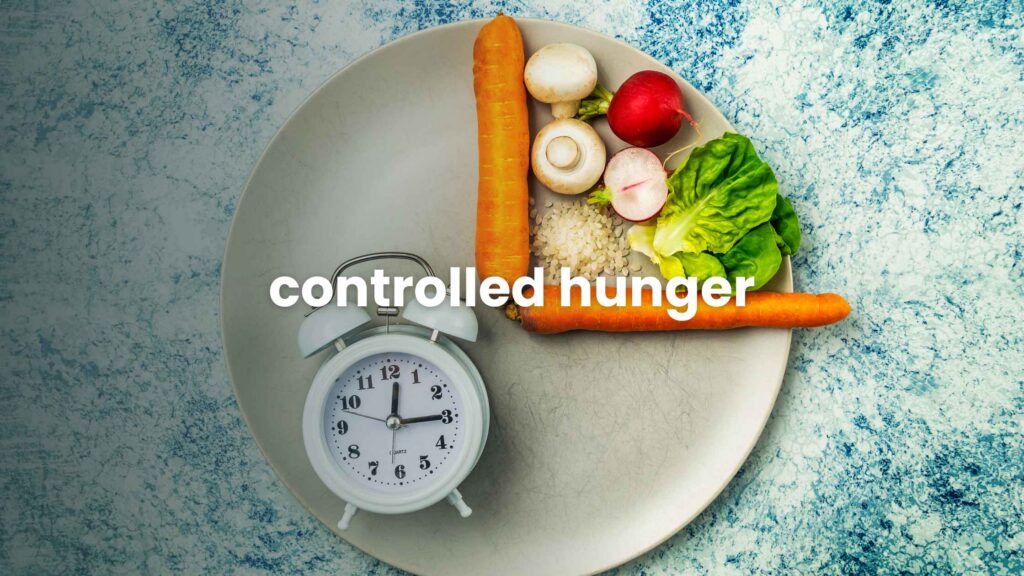
Fasting used to be simple. Skip a meal. Give your body a break. Eat later.
Somewhere along the way, it turned into an identity.
Now it has rules, influencers, clock watching, and an unsettling sense of moral superiority. You are not just hungry, you are disciplined. Enlightened. Doing something others lack the willpower to attempt.
And that is usually the moment things start to slip.
“A tool stops being helpful when it becomes your personality.”
How fasting earned its good reputation
Intermittent fasting gained popularity for legitimate reasons.
Research in metabolic health suggests that time restricted eating can improve insulin sensitivity, support metabolic flexibility, and help some people reduce overall calorie intake. Studies also link short fasting windows to cellular repair processes like autophagy, although much of that research comes from animal models and controlled conditions.
In short, fasting can be useful. For some people. In certain contexts.
That part rarely makes it into Instagram captions.
When structure quietly turns into obsession
Problems begin when fasting stops being flexible.
Instead of asking, “Is this helping me?”, the question becomes, “Did I follow the rules?”
People start ignoring hunger cues because the clock says no. Social plans become stressful. Energy dips are reframed as virtue. Eating earlier feels like failure.
Psychological research on eating behaviors shows that rigid food rules increase the risk of disordered eating patterns, especially when self worth becomes tied to control rather than nourishment.
“Control feels safe until it controls you.”
The thin line between discipline and disconnection
One of the most overlooked effects of long term restrictive fasting is body mistrust.
Hunger is not a glitch. It is a signal.
Studies in intuitive eating show that ignoring internal cues over time can disrupt appetite regulation, increase binge risk, and heighten anxiety around food. Ironically, the body often responds to prolonged restriction by becoming more food focused, not less.
That constant mental noise about eating is not clarity. It is stress.
When wellness culture rewards extremes
Fasting thrives in a culture that worships optimization.
Longer fasts sound more impressive. Black coffee replaces breakfast. Social media rewards visible restraint. The message becomes subtle but clear.
Less eating equals more discipline.
Public health researchers have repeatedly warned that wellness trends framed around moral value can exacerbate unhealthy relationships with food, especially among young adults.
“Health should make life bigger, not smaller.”
Who fasting may not serve well
Despite its popularity, fasting is not neutral for everyone.
Evidence suggests it may be problematic for:
- People with a history of eating disorders
- Individuals under chronic stress or poor sleep
- Those with high physical demands or endurance training
- People managing hormonal or blood sugar instability
In these cases, fasting can amplify fatigue, irritability, and metabolic stress rather than reduce it.
Yet online narratives rarely include these caveats.
The social cost nobody mentions
Food is not just fuel. It is connection.
When fasting becomes a lifestyle, people often avoid shared meals, celebrations, or spontaneous moments because they do not fit the eating window.
Sociological studies consistently show that shared meals strengthen relationships and emotional well being. Skipping them repeatedly in the name of optimization quietly erodes that benefit.
“Loneliness is not a metabolic upgrade.”
Reframing fasting as what it was meant to be
Fasting works best when it stays humble.
As a temporary tool.
As a flexible option.
As something you can stop without guilt.
It should adapt to your life, not demand your life adapt to it.
True health supports energy, clarity, and connection. It does not require constant negotiation with a clock.
What this really comes down to
Fasting is not the problem.
Rigidity is.
If a practice improves your relationship with your body, it is serving you. If it increases anxiety, control, or social withdrawal, it may be time to reassess.
Health tools should empower choice, not erase it.
“If you cannot stop, it is no longer a tool.”