
From a distance, geopolitics looks abstract. Flags, speeches, sanctions, press briefings. Very serious people standing behind very serious podiums.
But on small islands, geopolitics is not abstract at all. It shows up quietly. In empty harbors. Shorter fishing routes. Cancelled cruise arrivals. Conversations that start with “better not today.”
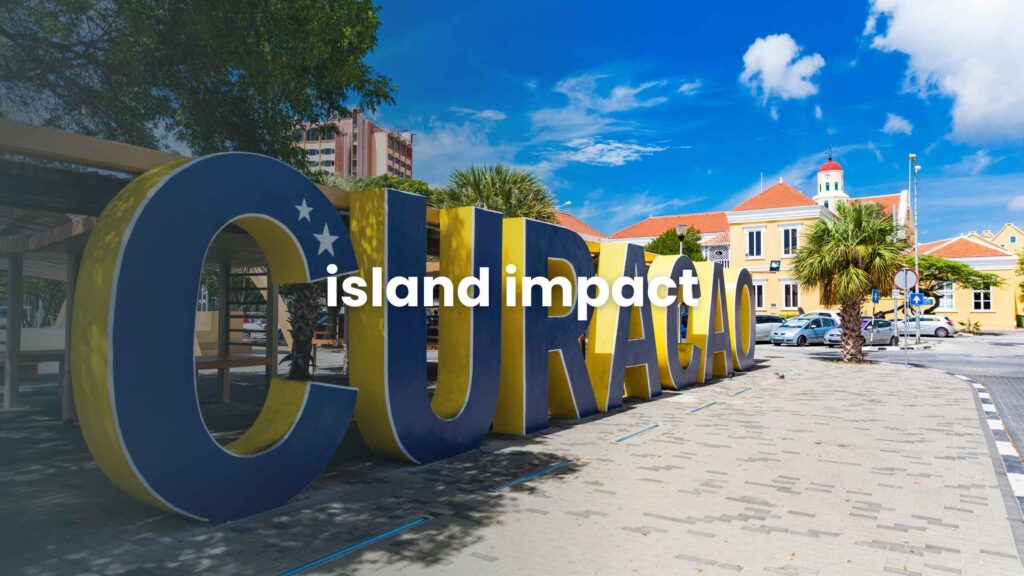
Curaçao knows this dynamic well.
“Big powers argue. Small places adjust.”
When tensions travel farther than missiles
The long standing political and economic tensions between Venezuela and the United States have been framed as a regional power struggle. Sanctions, diplomatic standoffs, and security concerns dominate international headlines.
Yet just a few dozen kilometers away, neighboring islands experience the consequences without being part of the decision making process.
Curaçao, positioned close to the Venezuelan coast, sits directly in the ripple zone. What happens between governments alters the daily calculations of ordinary people.
Fishermen and the invisible border of fear
One of the least visible but most immediate effects is on local fishing communities.
Curaçaoan fishermen have reported hesitating to travel beyond familiar waters, not because fish suddenly disappeared, but because uncertainty increased. Patrols, geopolitical tensions, and fear of misunderstandings at sea create a psychological boundary long before any legal one appears.
Research on maritime conflict zones shows that perceived risk alone can reduce fishing range and income, even in the absence of direct incidents. People adapt preemptively. Survival instincts rarely wait for official confirmation.
“When borders harden emotionally, livelihoods shrink.”
Tourism reacts faster than diplomacy
Cruise tourism is another early indicator.
Cruise lines operate on risk assessments, not optimism. Even minor geopolitical tension can push an island off a route, not due to immediate danger but due to insurance, perception, and passenger comfort.
Curaçao has experienced periods where cruise itineraries were adjusted or skipped entirely, despite local stability. The island itself did nothing wrong. Geography did the talking.
Tourism research consistently shows that perception of regional instability affects travel decisions more strongly than actual on the ground safety data.
The island paradox
Small islands face a structural disadvantage in global conflicts.
They are:
- Highly dependent on external trade and tourism
- Limited in diplomatic leverage
- Geographically exposed
- Economically sensitive to sudden disruptions
They benefit from globalization when things are calm, and suffer from it when tensions rise elsewhere.
“Islands absorb shocks they did not create.”
Sanctions that travel sideways
Economic sanctions are designed to pressure governments. But studies from international development organizations repeatedly show that secondary and neighboring economies often absorb unintended damage.
Trade routes shift. Fuel costs rise. Informal economies strain. Regional cooperation becomes more complicated.
For Curaçao, proximity to Venezuela means that every escalation increases uncertainty, even when the island maintains political neutrality.
Psychological fatigue in small communities
Beyond economics, there is a quieter cost.
Living near geopolitical tension creates chronic uncertainty. Will tomorrow be normal? Will prices rise? Will visitors stay away? Will authorities change rules suddenly?
Psychologists studying communities near conflict zones note increased stress levels even without direct violence. The mind stays alert. People plan less far ahead.
“Stability is not just safety. It is predictability.”
Why small islands deserve a louder voice
Global conflicts are often discussed as if impact flows only between major players. The reality is messier.
Small islands like Curaçao experience real consequences without access to negotiation tables. They adapt, absorb, and endure.
Understanding this dynamic matters, because resilience should not be mistaken for immunity.
What this moment quietly reminds us
Geopolitics is never contained. It leaks.
It leaks into fishing routes. Tourist arrivals. Insurance policies. Household stress. Community confidence.
Curaçao’s experience highlights a broader truth. When powerful nations clash, smaller regions pay in subtler but deeply personal ways.
And those costs rarely make the headlines.