
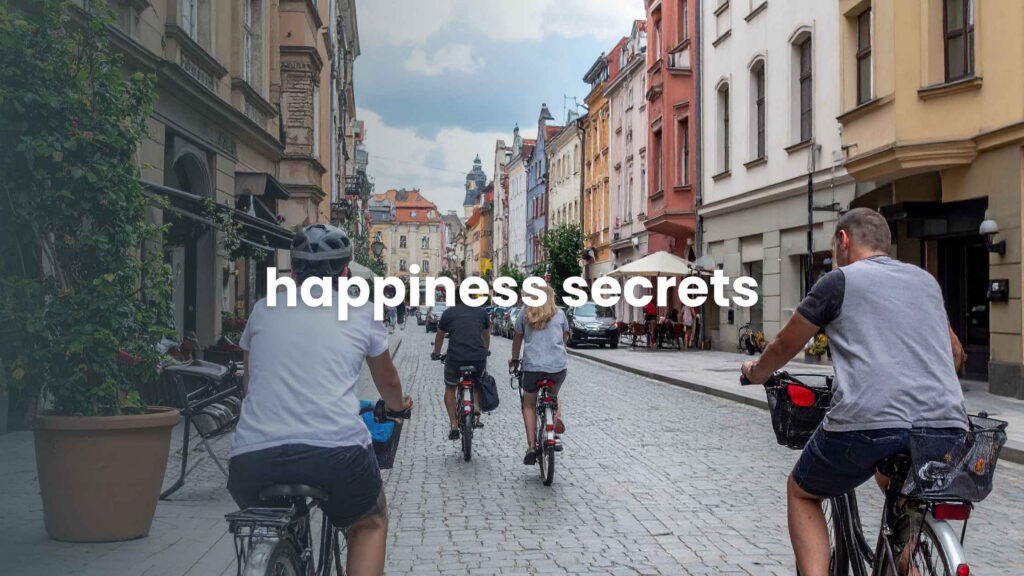
“Happiness isn’t a destination, it’s a way of life.”
Scandinavia, with its idyllic landscapes, rich cultures, and a reputation for being some of the happiest countries in the world, often captures the curiosity of those looking for a better way to live. According to the World Happiness Report, which ranks countries based on various factors related to well-being, countries like Finland, Denmark, Norway, and Sweden consistently claim the top spots. But what exactly makes these Nordic nations stand out as the happiest? While the reasons might seem straightforward—universal healthcare, a strong welfare system, and vast natural beauty—there are deeper, less tangible factors at play. In this article, we’ll dive into the elements that contribute to the unparalleled happiness in Scandinavian countries.
“Equality and Trust: The Bedrock of Scandinavian Society”
One of the first things that sets Scandinavian countries apart is their deep-rooted sense of equality and trust in each other and in institutions. These countries prioritize social equality and aim to reduce disparities in income, wealth, and opportunity, which leads to a sense of collective well-being.
Denmark, for instance, has some of the lowest levels of income inequality in the world. This means that whether you’re a CEO or a teacher, the gap between what you earn and what others earn isn’t huge. A more even distribution of wealth tends to lead to greater trust between individuals and institutions. As the Danish philosopher Soren Kierkegaard once said, “The most beautiful thing in the world is a person who trusts you.” When people trust that the system is fair and that their needs will be met, they experience a sense of security that greatly enhances their happiness.
This culture of equality is also reflected in the high level of gender equality seen in Scandinavian nations. Women in these countries have greater access to education, healthcare, and professional opportunities, all of which contribute to overall life satisfaction. For example, Sweden consistently ranks among the top countries for gender equality, with policies that promote work-life balance and equal participation in the workforce.
“A Strong Welfare System: Safety Nets and a Sense of Security”
In countries like Finland and Norway, the welfare system plays a crucial role in making people feel supported, safe, and cared for. The Scandinavian welfare model, often referred to as the Nordic Model, emphasizes universal healthcare, free education, and extensive social safety nets. This ensures that citizens are able to meet their basic needs without the fear of falling into poverty or losing access to healthcare.
A well-established welfare system offers peace of mind and removes much of the anxiety that people in other parts of the world may experience about their futures. Studies have shown that countries with robust welfare states tend to have higher levels of life satisfaction, as people are less likely to suffer from chronic stress and can rely on support during challenging times.
Furthermore, Scandinavian countries invest in affordable housing, childcare, and elderly care, which ensures that everyone, from the youngest to the oldest, is taken care of. When individuals don’t have to worry about basic needs, they are free to pursue personal fulfillment, and this leads to higher levels of happiness.
“Connection with Nature: A Path to Well-Being”
Scandinavian countries are known for their breathtaking natural beauty, and the people who live there have a unique connection to the outdoors. Whether it’s hiking in Norway’s fjords, swimming in Sweden’s pristine lakes, or enjoying the midnight sun in Finland, nature plays a key role in fostering well-being.
Research shows that spending time in nature can significantly improve mental health. The abundance of green spaces and opportunities for outdoor activities in Scandinavian countries ensures that individuals have access to places where they can disconnect from the stresses of daily life.
The concept of “friluftsliv” (open-air life) is deeply ingrained in Scandinavian culture, particularly in Norway and Sweden. This philosophy encourages people to spend time outside, regardless of the weather. It’s not unusual to see families enjoying the outdoors during the long winters, whether it’s skiing, ice skating, or simply walking in the snow. Being surrounded by nature and practicing friluftsliv leads to lower stress levels and greater life satisfaction, key contributors to overall happiness.
“Work-Life Balance: The Scandinavian Secret to Happiness”
When it comes to happiness, work-life balance is a huge factor. Scandinavian countries are famous for their progressive labor policies, which prioritize the well-being of employees. In these countries, it’s not unusual for employees to enjoy generous vacation time, parental leave, and a flexible work schedule.
For instance, Finland offers up to 9 months of parental leave, one of the most generous in the world. Sweden and Denmark also provide substantial parental leave and encourage both parents to share the responsibility of raising children. This focus on work-life balance allows individuals to spend more time with family, pursue hobbies, and engage in community life, all of which contribute to a happier, more fulfilling existence.
In contrast to other countries where employees may feel pressured to work long hours, Scandinavian workers enjoy a healthy separation between their professional and personal lives. This balance fosters lower stress levels, higher job satisfaction, and an overall sense of well-being.
“Social Bonds and Community: The Heart of Happiness”
At the core of Scandinavian happiness is a strong sense of community and social connection. Social bonds play a crucial role in the overall well-being of individuals. In Denmark, for example, the concept of “hygge” (pronounced hoo-gah) captures the essence of creating warmth, togetherness, and coziness, especially in the winter months. It’s about creating small, intimate moments that promote a sense of happiness and well-being.
This strong sense of community is not just about spending time with loved ones, but also about the way people interact with one another in public spaces. Scandinavian societies tend to be less hierarchical, and people are generally more likely to engage in conversations with strangers, creating a sense of connection and mutual respect. This sense of social trust and cohesion is vital to a person’s happiness, as it promotes psychological well-being and provides a strong safety net of support when needed.
“Education: A Foundation for Happiness”
Education in Scandinavian countries is universally accessible and free, and it focuses on critical thinking, creativity, and holistic development. From a young age, children are taught how to think for themselves and pursue their passions. This type of education fosters a sense of self-worth and personal fulfillment, two important factors in achieving happiness.
Furthermore, the focus on lifelong learning encourages adults to continually develop new skills, which keeps them engaged, satisfied, and adaptable throughout their lives. Education is not just about gaining knowledge but about fostering a growth mindset, which is key to sustaining happiness over the long term.