
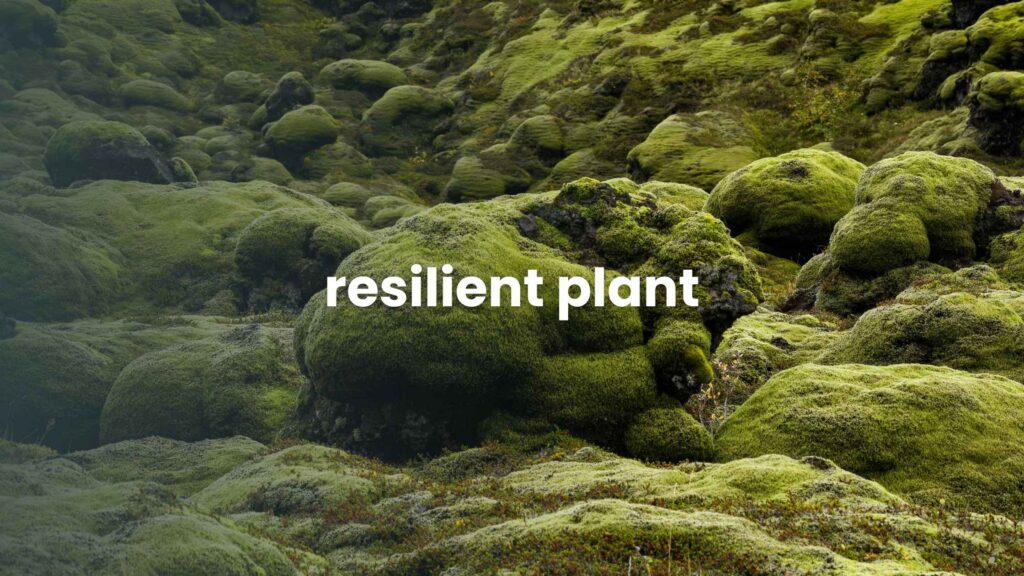
“Tiny but Mighty: Mosses Thrive Where Others Perish”
Moss might be one of the most overlooked members of the plant kingdom, often dismissed as just a spongy green carpet growing on rocks or trees. However, these humble bryophytes have some astonishing secrets that make them one of nature’s most resilient and ancient plants. Let’s dive into the remarkable world of moss and discover why it’s more than just a background player in nature’s ecosystem.
A Living Time Capsule: Moss Through the Ages
Mosses belong to the bryophyte family, which dates back over 400 million years, making them some of the earliest land plants on Earth. Unlike most modern plants, moss lacks roots, flowers, and vascular systems. Yet, it has thrived through ice ages, mass extinctions, and harsh climates. How did moss survive when so many other species didn’t?
Their secret lies in their simplicity. Because mosses don’t rely on complex systems to transport water and nutrients, they can survive in environments where other plants would wither away. They absorb moisture directly through their leaves, which allows them to spring back to life even after severe dehydration.
A study published in the journal Science Advances demonstrated that some species of Antarctic moss could remain dormant for up to 1,500 years under ice and still revive when thawed—a testament to their resilience.
Superpowers of Resilience: How Moss Survives Extreme Conditions
Mosses are masters of adaptation. Whether it’s the scorching heat of deserts, the biting cold of polar regions, or the shady depths of forests, moss can find a way to thrive.
Dehydration Resistance: Moss can lose up to 98% of its water content and still survive. When rain returns, it rehydrates and resumes photosynthesis.
UV Protection: Mosses produce unique pigments that protect them from harmful ultraviolet radiation, allowing them to grow even in exposed areas.
Carbon Absorption: Despite their small size, mosses play a significant role in carbon sequestration. Peat moss, in particular, stores vast amounts of carbon, helping mitigate climate change.
| Moss Superpowers | Description |
|---|---|
| Dehydration Tolerance | Survives extreme drought |
| UV Protection | Pigments shield against radiation |
| Carbon Sequestration | Peat moss stores carbon efficiently |
| Rapid Regrowth | Revives after dormancy |
A Hidden Ecosystem Engineer
“Moss creates life where none exists.” It may sound poetic, but it’s also scientifically accurate. Mosses are pioneers in barren environments, playing a crucial role in ecosystem development.
Soil Formation: Mosses break down rocks over time, helping form soil and create habitats for other plants.
Water Retention: They act like natural sponges, absorbing and retaining water, which prevents soil erosion and provides moisture for surrounding flora.
Microhabitats: Moss carpets provide shelter for tiny invertebrates and help maintain local humidity levels.
A study from the Journal of Ecology revealed that areas covered with moss had a 25% higher moisture retention rate than those without, underscoring their importance in maintaining ecosystem balance.
The Human Connection: From Medicine to Modern Design
Moss has not only shaped natural landscapes but has also found its way into human lives.
Traditional Medicine: Indigenous cultures have long used moss for its antibacterial properties. Peat moss was even used as a wound dressing during World War I.
Sustainable Design: With the rise of eco-friendly architecture, moss walls have become a popular feature in urban spaces. These living walls not only improve air quality but also provide a calming aesthetic.
Art and Aesthetics: Moss gardens, particularly in Japan, are celebrated for their serene beauty and are integral to Zen garden design.
Why Moss Matters in Climate Change
“Small but significant” perfectly describes moss’s role in combating climate change. Peat moss bogs, which cover only 3% of the Earth’s surface, store nearly 30% of the planet’s soil carbon—twice as much as all the world’s forests combined.
However, these vital ecosystems are under threat from human activities such as agriculture and peat extraction. Preserving and restoring moss habitats is crucial for maintaining biodiversity and mitigating climate change.
A Few Fun Facts About Moss
- No roots, no problem: Mosses don’t have traditional roots. They cling to surfaces using structures called rhizoids.
- Nature’s sponge: Some moss species can hold up to 20 times their weight in water.
- Green pioneers: Mosses are often the first plants to colonize barren landscapes, paving the way for other vegetation.
- Living compass: In the northern hemisphere, moss often grows on the north side of trees due to the shade, making it a handy natural compass.
What We Can Learn from Moss
The resilience of moss offers a powerful lesson for humanity: adaptability is key to survival. Despite its humble appearance, moss demonstrates that even the simplest life forms can thrive in the face of adversity.
So next time you see a patch of moss on a rock or a tree, take a moment to appreciate this ancient, resilient survivor. It’s nature’s quiet reminder that strength often lies in subtlety.