
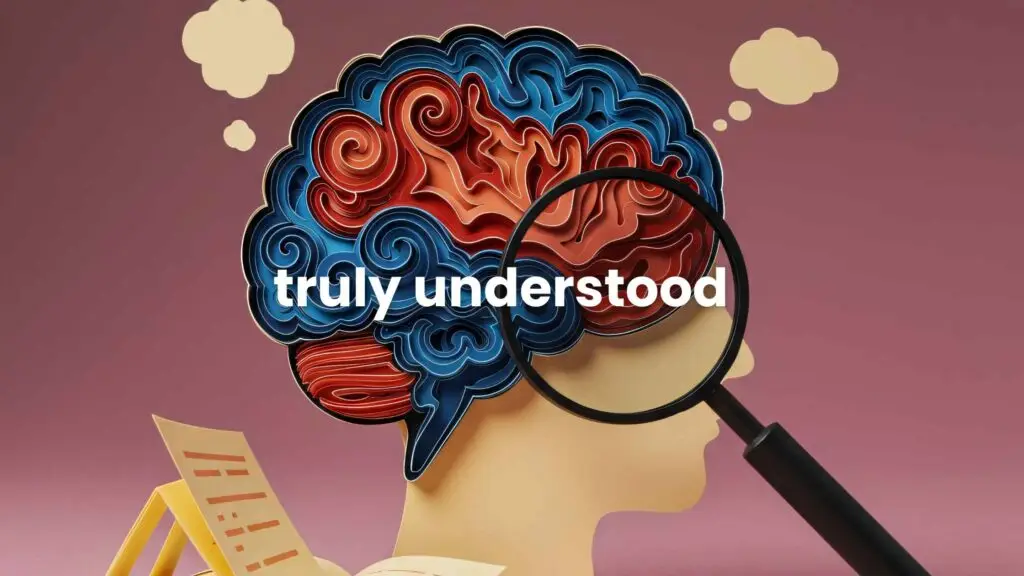
Humans are wired for connection. When someone truly gets you, it lights up the same reward centers in your brain as chocolate or money. That’s not a metaphor; that’s neuroscience. Feeling understood activates the brain’s ventral striatum, releasing dopamine, which creates a sense of pleasure and belonging. It’s why a single nod, a well-timed comment, or a reflective question can make you feel seen in ways words alone often cannot.
Why Understanding Matters More Than You Think
Being understood goes beyond simple empathy. It reduces stress, lowers blood pressure, and even improves decision-making. When someone listens and reflects your perspective accurately, your brain doesn’t need to constantly defend or justify itself. You can focus on problem-solving, creativity, and emotional regulation. Studies show that people who feel understood in relationships report higher satisfaction, stronger trust, and a greater sense of security. In short, understanding is a form of cognitive oxygen for your mind.
How to Foster Feeling Understood
The interesting part is that feeling understood is as much about perception as it is about action. Listening actively, summarizing what someone says, and asking clarifying questions signals to the other person that their experience matters. Sometimes, it’s not about solving the problem; it’s about reflecting it back accurately. When you practice this, you don’t just improve others’ well-being—you improve your own.
The lesson is clear: human connection is not optional; it’s fundamental. Feeling understood strengthens minds, builds trust, and nurtures growth. Next time you want to make someone’s day, try listening fully, reflecting, and acknowledging their perspective. It’s one of the simplest and smartest ways to make life richer—for you and everyone around you.
The Ripple Effect of Being Understood
When people feel understood, it often sparks a ripple effect. They are more likely to listen in return, communicate openly, and even collaborate better. This doesn’t just apply to personal relationships; it works in teams, classrooms, and online communities. Neuroscience suggests that social validation lowers the brain’s threat response, meaning less defensiveness and more openness. A single conversation where someone truly feels heard can change the tone of a relationship for weeks.
Applying This in Everyday Life
The beauty of understanding is that it doesn’t require perfection, just attention. Pausing to listen without interrupting, repeating back what you think you heard, and acknowledging emotions creates clarity. Even small gestures—a nod, a smile, or a thoughtful question—signal to the brain that it is safe to relax. In a world where attention is scarce and people often feel rushed or dismissed, investing in understanding is like giving your mind a daily vitamin.
Why It Matters for You
Feeling understood is not just a comfort; it’s a cognitive advantage. It helps you manage stress, strengthen relationships, and think more clearly. And the real insight is that it’s reciprocal: the more you practice understanding others, the more you cultivate patience, empathy, and emotional intelligence in yourself. Life may never be perfectly predictable, but when we prioritize understanding, we create spaces where minds can thrive.