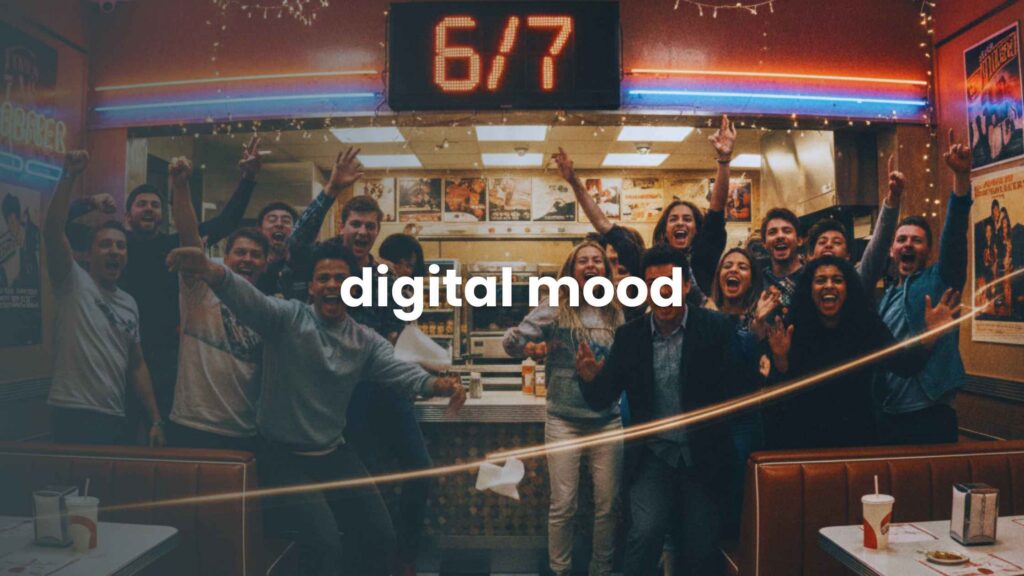
“Two numbers. One meaning. A lot of confusion.”
If you have spent more than five minutes on TikTok, Instagram comments, or WhatsApp chats lately, you have probably seen it. Someone asks how things are going. The reply is simple.
6-7.No explanation. No emojis. Just numbers.
And somehow, everyone seems to understand.
But where did it come from, and why did it spread so fast?
What “6-7” Actually Means
“Not great. Not terrible. Just… surviving.”
In most online contexts, 6-7 is used to describe a state of being that sits somewhere between fine and exhausted. It is not happiness. It is not crisis. It is emotional neutrality with a hint of fatigue.
Linguists describe this as compressed emotional language. Instead of explaining feelings, people use shorthand that signals shared understanding. Research in digital communication studies shows that younger users increasingly prefer low effort expressions that still carry emotional weight.
6-7 says a lot without saying much.
The UK Street Slang Connection
“Language rarely starts on social media.”
The earliest traceable roots of 6-7 appear in UK street slang, particularly within London youth culture. According to sociolinguistic researchers studying urban British English, numerical phrases are often used as coded emotional markers.
In this context, 6-7 loosely translates to average, calm, or nothing special. It was never meant to be poetic. It was practical.
From there, it moved into music lyrics, especially UK drill and rap, where short phrases are designed to be memorable and repeatable.
Music always travels faster than dictionaries.
Why Numbers Work So Well Online
“Your brain loves shortcuts.”
Cognitive psychology research shows that the brain processes numbers faster than full sentences. Numbers feel objective, even when they describe subjective emotions.
That is why phrases like 10 out of 10 or zero energy work so well. 6-7 fits perfectly into this pattern. It feels honest without being dramatic.
Studies on social media language also suggest that ambiguous phrases invite engagement. People ask what it means. Others explain it. Algorithms love that.
Confusion fuels visibility.
TikTok Did the Rest
“Once TikTok touches it, it is no longer niche.”
Around 2023 and 2024, 6-7 began appearing in TikTok comment sections, often under videos about mental health, daily struggles, or casual check ins.
Creators would ask, how are we feeling today?
Replies flooded in.
6-7.
6-7.
6-7.Linguistic trend analysis shows that repetition creates normalization. Once people see a phrase enough times, they adopt it, even without fully understanding its origin.
That is how slang goes mainstream.
Why It Resonates Emotionally
“Because most people are not okay or terrible.”
Psychologists studying emotional self reporting note that many people feel pressure to present extremes online. Either thriving or falling apart.
6-7 offers an escape from that performance. It allows honesty without vulnerability. You are not opening up. You are just stating a number.
It is emotionally safe. Slightly tired. Still standing.
Very modern.
Will It Last?
“Slang has a short memory.”
Most internet language fades quickly. Some phrases survive because they adapt. 6-7 is flexible enough to stick around longer than most.
It works in text. In comments. In jokes. In serious conversations. That versatility increases its lifespan, according to linguistic longevity studies.
Eventually, something else will replace it. But for now, 6-7 perfectly captures how a lot of people feel.
Existing. Coping. Scrolling.
What This Says About Us
“We are tired, but creatively so.”
The rise of 6-7 is not about numbers. It is about emotional efficiency. People want to be understood without explaining themselves.
And somehow, two small digits managed to say what paragraphs could not.
That is not laziness. That is language evolving in real time.
The Real Origin of “6-7” and How It Took Over Social Media