
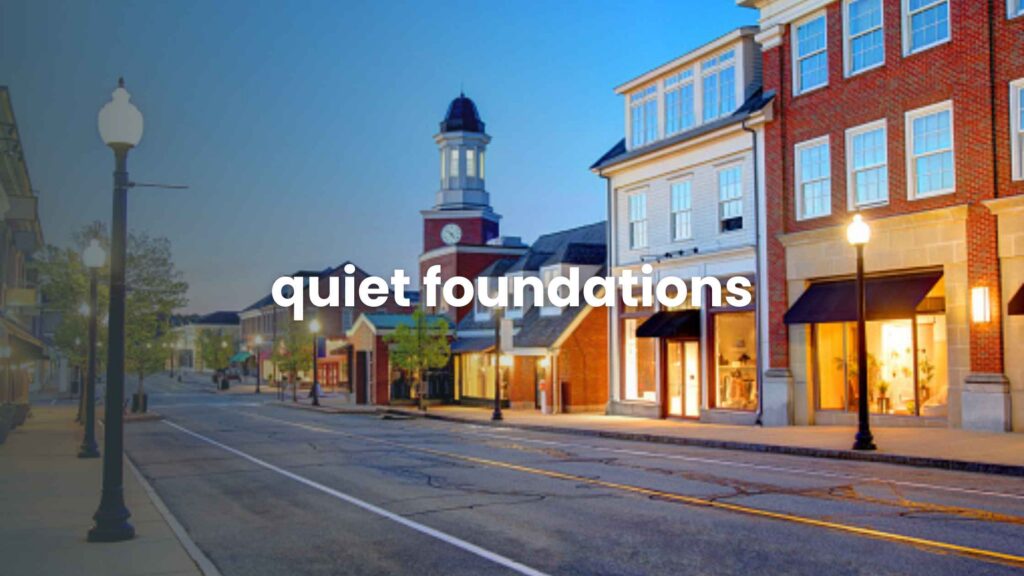
When we think of America’s growth, our minds often jump to roaring cities, technological hubs, or the pioneering spirit of the Wild West. But beneath the headlines and skyscrapers lies a quieter force: the small town. Often overlooked in history books and pop culture, these communities were essential in shaping the nation’s economy, culture, and social fabric.
“Great things often begin quietly.”
From agriculture to industry, small towns were the laboratories of American innovation, community values, and resilience.
More than a dot on the map
In the 19th and early 20th centuries, small towns dotted the American landscape, often located along rivers, railroads, or fertile farmland. These towns were more than sleepy villages; they were engines of commerce, social interaction, and innovation. Towns like Lowell, Massachusetts became the cradle of America’s textile industry, pioneering early factory systems that would later define urban industrial centers.
Beyond industry, small towns shaped civic life. Town meetings, local schools, and churches fostered a culture of participation and community responsibility. Historian Richard Wade notes that these settings provided a foundation for democracy by encouraging citizens to engage directly in local governance long before voting patterns influenced national elections.
Hubs of innovation and adaptation
Many of America’s now-famous innovations started in small towns. For instance, John Deere developed the steel plow in Grand Detour, Illinois, in 1837, transforming agriculture across the Midwest. Meanwhile, towns in New England became centers for early American education, producing leaders who would later shape the country’s political and cultural landscape.
These towns also exemplified adaptability. When industries shifted, small towns either embraced new trades or faced decline, offering lessons in resilience and economic flexibility still relevant today.
“Small places often teach big lessons.”
Social glue in everyday life
Beyond economics, small towns provided the social glue that held communities together. Social networks in these towns often meant that neighbors, schools, and local businesses were intertwined. Generations knew each other personally, creating a sense of accountability and community participation. Anthropologist William Whyte argued in The Organization Man that small-town values of cooperation and mutual support influenced American workplace culture as people moved to cities.
Even festivals, fairs, and local celebrations—sometimes dismissed as quaint—played a role in maintaining social cohesion, passing traditions, and strengthening a sense of belonging. These rituals helped stabilize communities in times of rapid change, such as waves of immigration or economic shifts.
Bridges to modern urban America
Small towns served as gateways to larger cities. They produced skilled workers, entrepreneurs, and leaders who migrated to urban centers, bringing knowledge and values that helped build modern American society. The growth of Chicago, Detroit, and Pittsburgh, for example, relied on networks of small-town migrants who fueled industrial labor forces while maintaining cultural ties to their hometowns.
In addition, small towns often incubated political ideas that later influenced national policy. Early grassroots movements for labor rights, public education, and civic improvement frequently began in local town halls before spreading to broader platforms.
Preserving lessons from small-town America
Today, many small towns face challenges such as population decline, economic shifts, and globalization pressures. Yet, the values and innovations nurtured in these communities remain relevant. Understanding the quiet contributions of small towns provides perspective on how America evolved—not solely through iconic cities, but through countless modest communities where resilience, ingenuity, and civic engagement thrived.
“History is written in the streets we rarely walk.”
The legacy of small towns reminds us that transformative change often comes from ordinary places, where the foundations of modern society were quietly laid.