
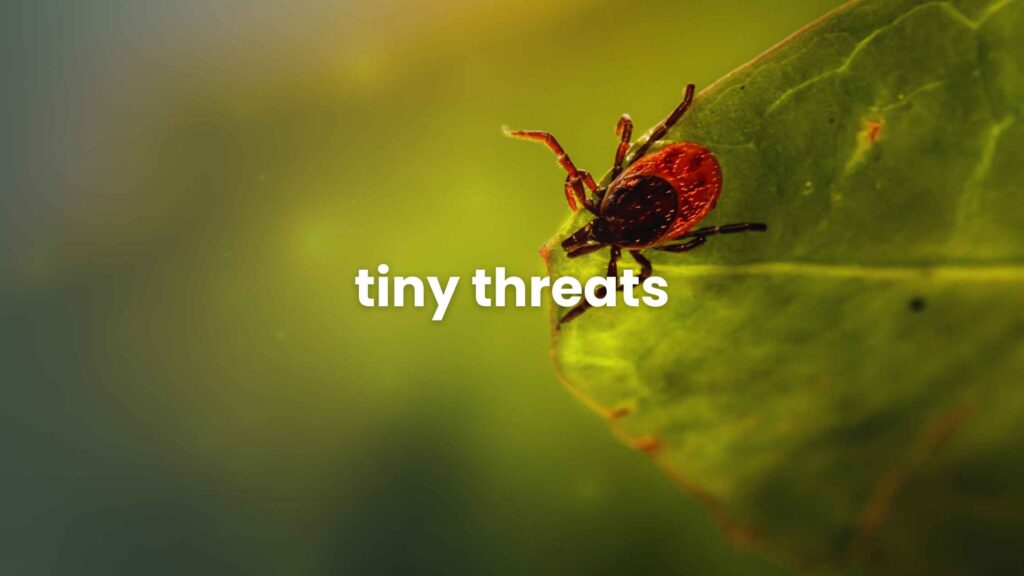
“One bite. No warning. A lifetime of consequences.”
We like to think of insect bites as temporary annoyances. A little itch, a red bump, maybe a day of complaining. But biology has other plans. In rare but very real cases, a single bite from a tick, mosquito, or fly can quietly rewire your immune system, alter your diet, or trigger symptoms that last for years.
Scientists have been studying these conditions for decades, and the findings are unsettling. Here are some of the strangest diseases humans can develop from one tiny encounter.
The Tick Bite That Makes You Allergic to Meat
“Imagine craving a burger your whole life, then suddenly fearing it.”
Alpha gal syndrome is one of the most bizarre immune reactions ever documented. It is triggered by the bite of the lone star tick, primarily found in the United States but increasingly reported elsewhere.
After the bite, the immune system starts reacting to alpha gal, a sugar molecule found in red meat. Hours after eating beef, pork, or lamb, people can experience hives, vomiting, breathing issues, or even anaphylaxis. The delay makes it especially confusing and dangerous.
Studies published in journals like The New England Journal of Medicine have confirmed that this is not psychological. The immune system genuinely changes its behavior. Some people regain tolerance over time. Others never do.
Yes, one tick bite can permanently change your relationship with steak.
Lyme Disease and the Illusion of Recovery
“You feel better. Then years later, it comes back.”
Lyme disease is often discussed, but rarely fully understood. Caused by bacteria transmitted through black legged ticks, it can initially present as fatigue, fever, joint pain, or the well known bullseye rash.
The strange part comes later. Even after treatment, some patients experience lingering symptoms like brain fog, nerve pain, and exhaustion for months or years. Researchers refer to this as post treatment Lyme disease syndrome.
According to studies from institutions like the CDC and Johns Hopkins, the immune system may remain in an inflammatory state long after the bacteria are gone. The bite is brief. The aftermath is not.
Chagas Disease and the Bite You Never Felt
“The danger comes after you scratch.”
Chagas disease is transmitted by triatomine bugs, often called kissing bugs. These insects bite painlessly at night, then defecate near the wound. When a person scratches, parasites enter the body.
The early phase may feel like nothing at all. Years later, chronic Chagas disease can cause serious heart and digestive complications.
Research published by the World Health Organization shows that many people never connect their symptoms to an insect bite decades earlier. The disease hides, waits, and then surfaces when damage is already done.
Sleeping Sickness and a Disrupted Brain
“When staying awake becomes impossible.”
African trypanosomiasis, commonly called sleeping sickness, is spread by the tsetse fly. After infection, parasites invade the central nervous system.
Patients experience confusion, personality changes, and extreme disruptions to sleep cycles. Day and night lose meaning. Without treatment, the disease is fatal.
Neurological studies show that the parasites interfere directly with brain signaling. The fly bite itself is often forgotten. The symptoms are unforgettable.
Dengue and the Body That Attacks Itself
“The pain is so intense it has a nickname.”
Dengue fever is transmitted by mosquitoes and is sometimes called breakbone fever due to severe muscle and joint pain. But the strangest cases occur during second infections.
Immunological research has found that previous exposure can cause the immune system to overreact during reinfection, leading to dengue hemorrhagic fever. Instead of protecting you, your antibodies make things worse.
One bite primes the system. Another turns it against you.
Tularemia and the Many Ways In
“Nature has more entry points than you think.”
Tularemia can be transmitted through ticks, deer flies, or even handling infected animals. Symptoms range from skin ulcers to pneumonia, depending on how the bacteria enter the body.
According to infectious disease research, this bacteria is so potent that inhaling a tiny amount can cause illness. A single bite can be enough to overwhelm the immune system.
It is rare, but real.
Why These Diseases Feel So Unfair
“The smallest creatures can cause the biggest chaos.”
What makes these conditions especially unsettling is the lack of control. You did not make a bad lifestyle choice. You did not ignore warning signs. You were simply outside.
Medical researchers emphasize that these diseases are not signs of weak immunity. They are examples of how complex and sometimes fragile immune responses can be.
What This Tells Us About the Body
The immune system is brilliant, but not perfect. Sometimes it overlearns. Sometimes it remembers the wrong lesson. A bite becomes a blueprint, and the body follows it long after the threat is gone.
Understanding these diseases is not about fear. It is about awareness. Long sleeves, tick checks, and mosquito prevention are not paranoia. They are biology informed decisions.
The strange truth is this: sometimes the most life changing moments are too small to feel at the time.