
“Truth is often stranger than fiction. Especially when costumes are involved.”
If aliens ever landed on Earth during festival season, they would probably leave immediately.
Imagine trying to explain it.
“Yes, we normally behave like rational adults. Today we just throw tomatoes at each other for fun.”
Or: “No worries, we only chase a giant wheel of cheese down a hill once a year.”
Festivals are fascinating because they reveal something very honest about humans.
We work hard. We follow rules. We behave politely.
And then once a year we collectively say, forget it, let’s do something ridiculous.
Anthropologists often describe festivals as “ritualized chaos,” moments where societies temporarily flip the script to bond, release stress, and strengthen identity. Research in social psychology even shows shared absurd activities increase connection and memory formation.
Which means yes, your brain literally bonds faster while dressed as a medieval knight throwing oranges.
Here are real festivals that sound completely fake but are absolutely real.
“If you can’t beat the cheese, become the cheese”
The cheese rolling race in England
In Gloucestershire, England, locals gather every spring to chase a large wheel of cheese down a dangerously steep hill.
Not walk. Not jog.
Chase.
The cheese gets a head start. Gravity does the rest. People tumble, flip, slide, and occasionally question their life choices halfway down.
The first person to reach the bottom wins the cheese.
Yes. The prize is the cheese.
The tradition goes back centuries, likely linked to old harvest rituals. Today it attracts international visitors and a surprising number of people with questionable risk assessment skills.
Medical teams stand by every year. That should tell you everything.
Still, participants keep coming back.
Because apparently victory tastes like dairy and adrenaline.
“Food fights, but make it historic”
La Tomatina in Spain
Every August in Buñol, Spain, the streets turn into a red, squishy battlefield.
Thousands of people throw tomatoes at each other for about an hour.
Just pure, messy chaos.
No teams. No strategy. Just flying produce.
It started decades ago as a spontaneous street scuffle during a parade. Instead of banning it, the town leaned into it. Now it’s a regulated, organized tomato war with safety rules and crushed tomatoes only.
Researchers studying group behavior often point out that playful aggression, like mock battles or games, can actually strengthen social bonds and reduce stress hormones.
So technically, this is therapy.
Very messy therapy.
Do not wear white. Trust me.
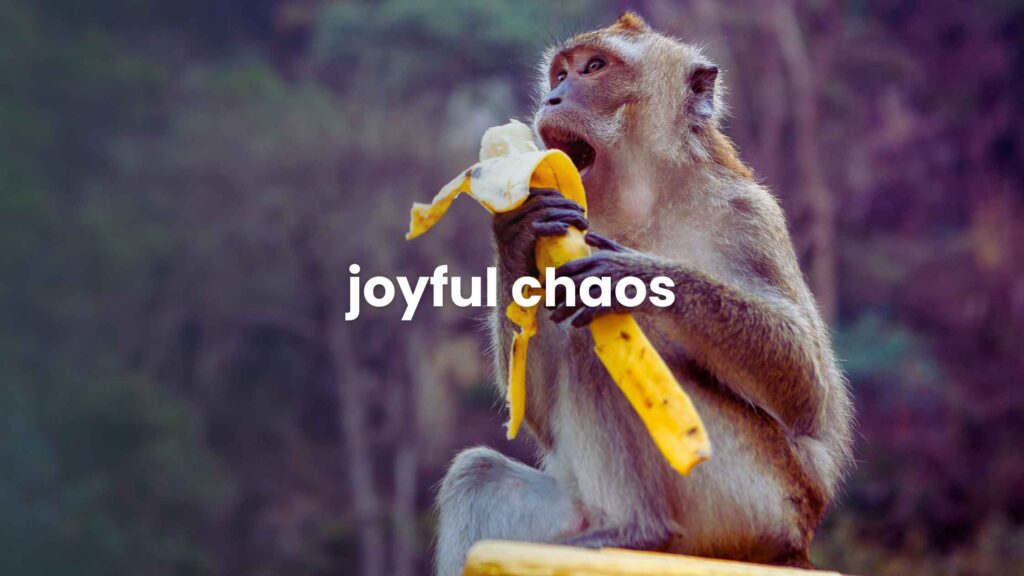
“When monkeys become the honored guests”
The monkey buffet festival in Thailand
In Lopburi, Thailand, thousands of monkeys are treated like royalty once a year.
Long tables are covered with fruits, vegetables, cakes, and treats.
All for monkeys.
Not metaphorical monkeys. Real ones.
The festival started to thank the animals for attracting tourism to the town. Now it’s a full celebration where locals dress up and watch hundreds of monkeys happily steal everything in sight.
Behavioral scientists who study human animal interaction often note that shared rituals around animals increase empathy and community pride.
Also, it’s adorable chaos.
Picture a tiny monkey running away with a whole pineapple like he just robbed a bank.
Impossible not to smile.
“Fire, but make it festive”
The Up Helly Aa fire festival in Scotland
Every winter, people in the Shetland Islands dress as Vikings and march through town carrying flaming torches.
Yes. Flaming.
They build a full sized Viking ship replica and set it on fire in a dramatic nighttime ceremony.
It looks like something straight out of a fantasy movie.
The festival celebrates the region’s Norse heritage and brings the community together during the darkest months of the year.
Historians suggest winter festivals like this historically helped fight seasonal depression by encouraging light, music, and togetherness.
So this is basically mental health care with helmets and fire.
Honestly, more stylish than yoga.
“Mud is apparently very funny”
Boryeong mud festival in South Korea
At first glance, it sounds like a joke.
A whole festival about mud.
But millions of visitors show up every year to slide, wrestle, paint, and swim in giant mud pools.
It originally started as a marketing event to promote local mineral rich mud cosmetics.
Then people realized something important.
Adults also like playing in the mud.
Studies on play behavior show that unstructured, childlike activities improve mood and reduce stress in adults.
Which explains why people covered head to toe in mud look way happier than most office workers on a Monday.
There’s something deeply freeing about not caring if you’re dirty for a day.
Laundry later. Memories first.
Why we secretly love the weird stuff
Here’s the interesting part.
Every one of these festivals looks silly from the outside.
But inside, they serve a purpose.
Connection. Release. Identity. Joy.
In modern life, we’re scheduled, optimized, productive machines.
Festivals give us permission to be ridiculous again.
To laugh too loud. To get messy. To chase cheese down hills without questioning it too much.
And maybe that’s exactly what we need sometimes.
Because life isn’t meant to be efficient all the time.
Sometimes it’s meant to be strange.
And a little muddy.
When weird becomes wonderful
The next time you see a festival that looks absurd, don’t roll your eyes too quickly.
Behind the tomatoes, mud, monkeys, and flaming ships, there’s something very human happening.
People choosing joy on purpose.
And honestly, that might be the most normal thing of all.