
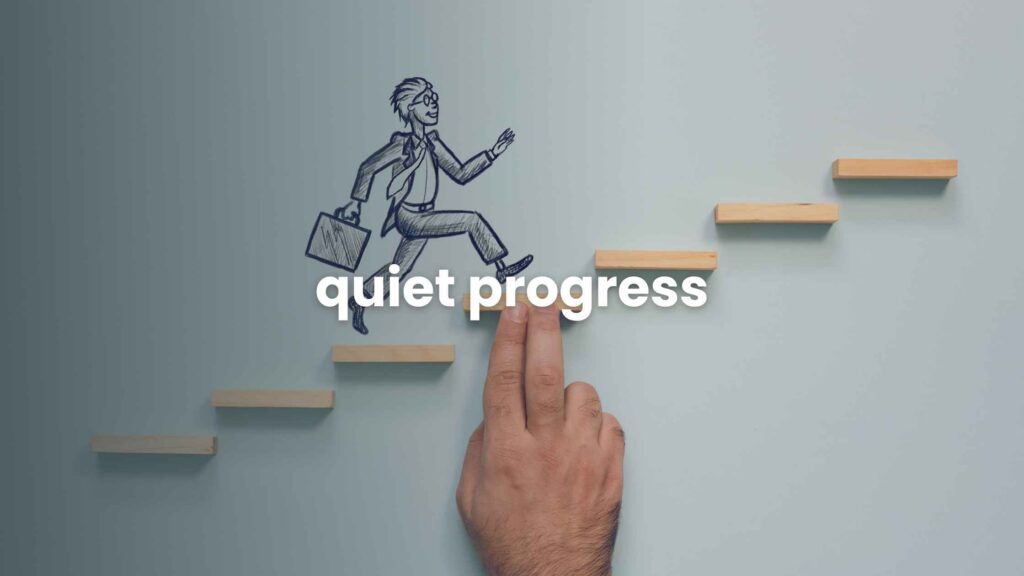
January goals are optimistic. March goals are confused. By June, most of them have quietly disappeared.
This is not because people are lazy or lack discipline. It is because most goals are designed for a version of life that does not exist. A calm, predictable, interruption free life. Real life, unfortunately, did not get that memo.
If 2026 is going to be different, goals need to be built for chaos, not perfection.
“Goals fail when they ignore how life actually works.”
Why traditional goal setting keeps collapsing
Classic goal advice sounds logical on paper. Be specific. Be ambitious. Commit fully. Push harder.
But psychology research on behavior change consistently shows that motivation fluctuates, willpower is limited, and context matters more than intention. Goals fail when they rely on constant self control.
Most goals are outcome obsessed. Lose 20 pounds. Write a book. Double income. Outcomes are fragile because they depend on too many variables you cannot fully control.
Processes survive longer than outcomes.
“Outcomes inspire. Systems endure.”
Start with identity, not achievement
One of the strongest findings in behavioral science is that people stick to behaviors that align with how they see themselves.
Instead of saying, I want to run a marathon, start with, I am someone who moves regularly. Instead of, I want to save more money, try, I am someone who checks their finances weekly.
This shift matters because identity based goals guide decisions even on bad days. You do not need to feel motivated to act in line with who you believe you are.
This is not positive thinking. It is pattern building.
“Become the type of person who does the thing.”
Shrink the goal until it feels almost silly
Big goals feel exciting. Small goals feel doable.
Research on habit formation shows that consistency matters far more than intensity. A goal that is too ambitious invites procrastination. A goal that feels easy invites repetition.
If your goal is to read more, commit to one page a day. If your goal is to exercise, start with five minutes. If your goal is to learn a skill, open the app. That is it.
Momentum comes from starting, not from planning.
“Small actions remove the fear of starting.”
Design goals for bad weeks, not perfect ones
Most goals are planned during good moods and calm periods. Then life happens.
Instead of asking, what is my ideal routine, ask, what is the minimum version I can still do when everything goes wrong.
This concept is supported by research on behavioral resilience. People who plan for disruption stick to habits longer.
Define two versions of each goal. A normal version and a survival version. The survival version should feel almost laughably easy.
Progress continues because the chain never fully breaks.
“Consistency beats intensity when life gets loud.”
Replace deadlines with check ins
Deadlines create pressure. Pressure can motivate, but it also triggers avoidance.
Instead of rigid deadlines, use regular check ins. Weekly reflections. Monthly reviews. Ask simple questions. What worked. What did not. What needs adjusting.
Studies on self regulation show that reflection improves long term adherence far more than punishment for failure.
Goals are not contracts. They are conversations with yourself.
“Adjusting is not quitting. It is learning.”
Build goals around energy, not time
Time based goals assume your energy stays constant. It does not.
Pay attention to when you naturally feel focused, social, creative, or tired. Align goals with energy patterns instead of forcing discipline at the wrong moments.
This approach is supported by research on circadian rhythms and productivity. People perform better when tasks match their biological tendencies.
Not everything needs to be done at peak energy. But important things benefit from it.
“Work with your biology, not against it.”
Let goals change without guilt
A goal that made sense in January may be wrong by September. That does not mean you failed.
Psychologists studying motivation emphasize the importance of flexibility. Clinging to outdated goals drains energy and creates unnecessary shame.
Check whether the goal still aligns with your values, not just your past decisions.
Growth often looks like changing direction, not pushing harder.
“Let go without turning it into a moral failure.”
Make success boring on purpose
If your goal requires constant hype, it will not last.
The most sustainable goals feel almost mundane. They blend into daily life. They do not need daily celebration.
This is why systems like automatic savings, routine walks, or scheduled learning blocks work so well. They remove drama from progress.
Boring goals survive busy lives.
“Stability is underrated.”
What makes 2026 different
The world is faster, noisier, and more unpredictable than it was a few years ago. Goals that depend on perfect conditions are already outdated.
Goals that survive real life are flexible, identity driven, and designed for imperfect days. They do not demand heroics. They ask for presence.
If a goal can survive stress, distraction, and low motivation, it has a chance.
That is not lowering standards. That is raising your odds.