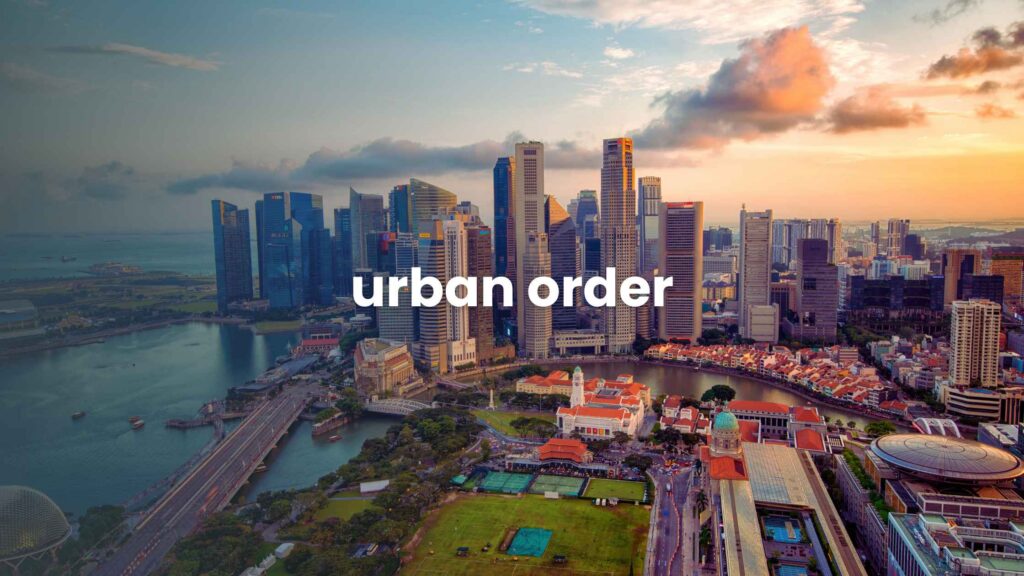
“Nothing here feels accidental.”
The first thing many visitors notice in Singapore is not the skyline or the heat. It is the feeling that everything works. Trains arrive when they should. Streets are clean without looking staged. Even crowds seem to move with purpose.
This is not luck. It is design. Very intentional design.
Singapore did not stumble into order. It engineered it.
A City Built on Systems, Not Vibes
“Efficiency is the culture.”
Urban planning studies often cite Singapore as a textbook example of systems thinking. From housing to transport, decisions are rarely emotional. They are data driven.
According to research from the World Bank and UN Habitat, Singapore’s long term planning model focuses on integration. Housing is linked to transport. Transport is linked to employment zones. Green space is linked to mental health outcomes.
Nothing stands alone. And that is the point.
Public Housing That Actually Works
“Home is a policy decision.”
Over 80 percent of Singapore’s population lives in public housing developed by the Housing and Development Board. This is often misunderstood as low income housing. It is not.
Studies in urban sociology highlight that mixed income public housing reduces segregation, increases social cohesion, and stabilizes neighborhoods. In Singapore, doctors, teachers, shop owners, and executives live in the same blocks.
Order here is social, not just physical.
Rules That Feel Personal
“You notice them when they are gone.”
Singapore is famous for its rules. Fines. Regulations. Signs everywhere reminding you what not to do.
Behavioral psychology research suggests that clear, consistently enforced rules reduce cognitive load. When expectations are obvious, people experience less daily friction.
In other words, rules remove decision fatigue. You do not wonder if something is acceptable. You already know.
That mental energy goes elsewhere. Like living.
Transport as a Daily Ritual
“Movement without chaos is freedom.”
Singapore’s public transport system is ranked among the most reliable globally. According to transport efficiency studies, predictability is more important than speed for user satisfaction.
Trains are clean. Buses are frequent. Payment is frictionless.
When commuting is boring in the best way, stress levels drop. No adrenaline. No guessing games. Just arrival.
Cleanliness Is Designed, Not Demanded
“People protect what works.”
Clean streets are often credited to strict fines. But urban behavior research points to something else. Environment shapes behavior.
Well maintained spaces signal shared responsibility. When places look cared for, people are less likely to damage them.
Singapore designs spaces that invite respect. The fines are backup, not the foundation.
Nature as Infrastructure
“Green is not decoration.”
Despite its density, Singapore integrates nature into daily routes. Parks under highways. Trees between buildings. Green rooftops.
Environmental psychology studies show that regular exposure to greenery reduces stress and improves focus, even in short bursts.
Here, nature is not an escape. It is part of the system.
Order Creates Time
“When nothing goes wrong, life gets bigger.”
The real benefit of Singapore’s design is not cleanliness or efficiency. It is time.
Less waiting. Less uncertainty. Less friction. When systems run quietly, individuals gain mental space.
That space becomes ambition, creativity, rest, or simply calm. Sometimes all four.
It Is Not About Control
“Structure makes room for freedom.”
Critics often frame Singapore as overly controlled. But sociological research suggests that strong public systems can increase personal freedom by reducing chaos.
When basics are reliable, people take more risks elsewhere. Careers. Ideas. Businesses.
Order, in this case, is not the opposite of freedom. It is the condition for it.
What Singapore Really Designed
“A city that does not fight you.”
Singapore did not design perfection. It designed flow.
Daily life here feels smoother because friction has been engineered out wherever possible. That does not make the city cold. It makes it humane in a very modern way.
Order is not the absence of life. It is the quiet support underneath it.
How Singapore Designs Order Into Daily Living