
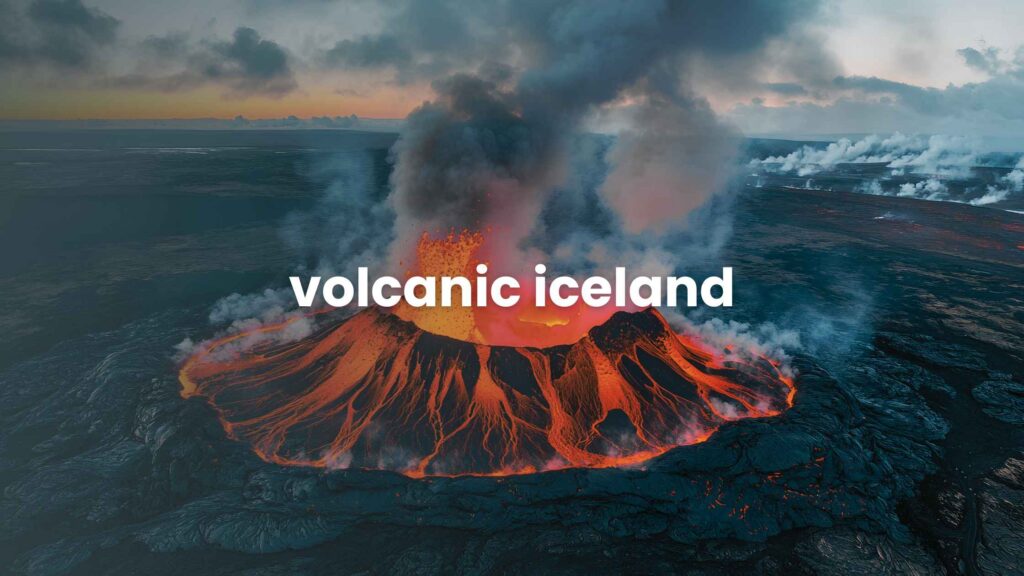
Iceland is often pictured as a land of fire and ice, with dramatic volcanic eruptions shaping its landscape. But these volcanoes have done more than just spew lava—they’ve crafted the culture, energy, and even the way Icelanders live today.
“Volcanoes are the architects of Iceland”
Iceland’s geological activity is relentless. The island sits atop the Mid-Atlantic Ridge, where the North American and Eurasian tectonic plates meet. This has created a volcanic hotspot that continuously reshapes the land. From towering mountains to fertile plains, every eruption leaves a mark, sometimes devastating, sometimes creating opportunities for new ecosystems to flourish.
“The earth provides in unexpected ways”
Volcanic soil is rich in minerals, and Iceland’s past eruptions have contributed to some of the most fertile agricultural land in the country. Farmers use these nutrient-dense soils to grow barley, potatoes, and even delicate vegetables in greenhouses heated by geothermal energy, turning volcanic destruction into life-giving resources.
“Power from beneath our feet”
Icelanders have harnessed the energy of their restless earth. Geothermal power, sourced directly from volcanic heat, provides nearly 90% of the country’s homes with heating and hot water. The combination of hydroelectric and geothermal energy makes Iceland one of the few nations in the world almost entirely powered by renewable energy—a direct gift from its fiery foundations.
“A tourist playground forged in fire”
Volcanoes have become an unlikely tourist magnet. Sites like Eyjafjallajökull and Hekla draw visitors eager to witness the power of nature. Black sand beaches, steaming lava fields, and hot springs are all volcanic legacies, proving that destruction and beauty often go hand in hand. Icelanders have embraced this duality, building a tourism industry that celebrates both the danger and the awe of their landscape.
“Volcanoes shape culture and folklore”
The threat and spectacle of volcanic eruptions are embedded in Icelandic folklore. Stories of fire giants, hidden people, and mystical creatures living among the mountains are often linked to volcanic activity. Even modern art, literature, and music reflect this fiery relationship, making volcanoes a central character in Iceland’s cultural narrative.
“New land, new possibilities”
Eruptions create land as well as destruction. The 1963 eruption on Surtsey, an island that emerged from the sea, has become a natural laboratory for scientists studying how life colonizes new land. These volcanic births show that even the most violent forces of nature can offer a fresh start.
Volcanoes in Iceland are more than dramatic spectacles. They influence the land, the economy, and the culture, making them a foundation of life rather than just a source of fear. Icelanders have learned to live in partnership with their fiery neighbors, turning potential disaster into opportunity, innovation, and awe-inspiring beauty.