
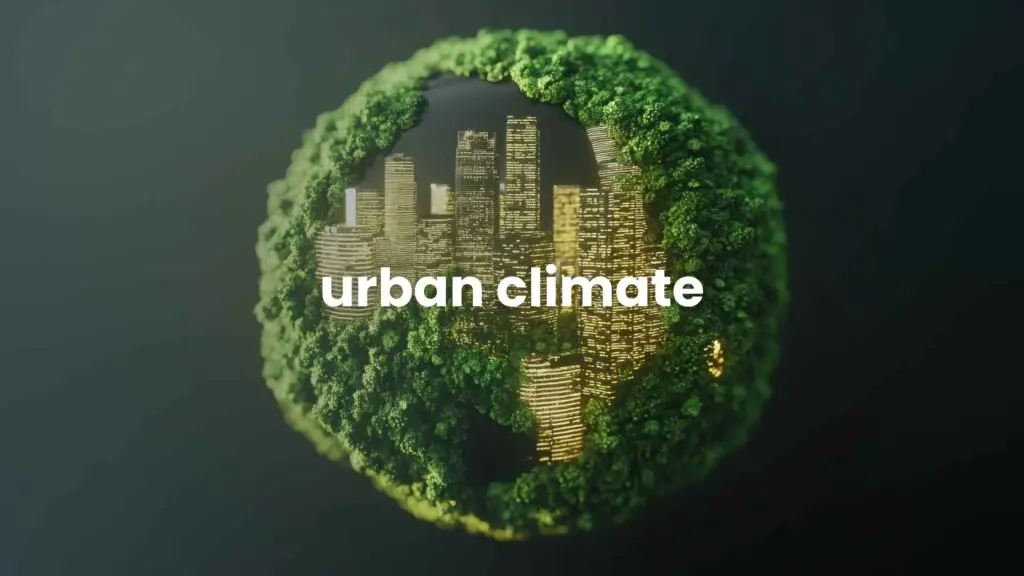
“Cities are where the climate battle will be won—or lost.”
When we think of climate change, images of melting glaciers, raging wildfires, or hurricanes usually come to mind. But what about the cities where most of us live? Urban centers might not seem like the frontlines of the climate crisis, yet they are undergoing quiet but significant transformations due to rising temperatures, unpredictable weather patterns, and environmental stressors.
From subtle infrastructure shifts to new social and economic realities, the impact of climate change on cities is both profound and far-reaching. Let’s explore how these transformations are unfolding right under our noses—and what it means for the future of urban living.
1. Urban Heat Islands: Cities Are Getting Hotter, Faster
“Living in the concrete jungle just got a lot sweatier.”
Cities are significantly warmer than their rural counterparts—a phenomenon called the urban heat island (UHI) effect. The dense concentration of asphalt, concrete, and buildings absorbs and retains heat, making cities up to 7°C (12.6°F) warmer than surrounding areas.
| Key Factors of UHI | Examples |
|---|---|
| Lack of vegetation | Fewer trees and green spaces to cool the air |
| High-energy consumption | Air conditioners releasing heat back into the air |
| Dark surfaces | Asphalt absorbs sunlight and radiates it at night |
- Implications: Rising urban temperatures exacerbate health risks, especially for vulnerable populations like the elderly and those with pre-existing conditions. According to a study published in The Lancet, heatwaves in cities have already increased mortality rates worldwide.
- Solutions: Green roofs, reflective building materials, and urban tree-planting campaigns are emerging as countermeasures.
2. Flood Risks Are Skyrocketing
“Rising seas are creeping into urban streets.”
Climate change is intensifying rainfall and melting glaciers, causing sea levels to rise. For coastal cities, the result is an increased risk of flooding.
- Cities at Risk:
- Miami, USA: Faces regular “sunny day” flooding due to sea-level rise.
- Jakarta, Indonesia: Sinking so rapidly that the government is relocating the capital.
- Venice, Italy: Struggling with more frequent high tides, or acqua alta.
Flooding doesn’t just damage property; it also disrupts transportation systems, contaminates drinking water, and displaces residents. A 2020 report by the World Bank warned that without intervention, rising sea levels could displace 100 million urban dwellers by 2050.
| City | Projected Flood Damage by 2050 |
|---|---|
| New York | $5 billion annually |
| Mumbai | $1.6 billion annually |
3. Infrastructure Is Under Pressure
“The cracks in our cities are literally starting to show.”
Extreme weather events are testing the resilience of urban infrastructure:
- Transportation Systems: Heatwaves are buckling train tracks and melting asphalt roads.
- Power Grids: Higher energy demand for air conditioning strains electrical grids, leading to blackouts.
- Water Supply: Prolonged droughts are depleting urban reservoirs, while floods overwhelm drainage systems.
Cities like Cape Town, South Africa, have already experienced a “Day Zero” crisis where water supplies nearly ran out.
4. Inequality Is Deepening
“Climate change is not the great equalizer; it’s the great divider.”
The effects of climate change are not felt equally. Low-income neighborhoods often lack the resources to adapt, making them more vulnerable to extreme weather.
- Case Study: During Hurricane Katrina, low-income communities in New Orleans suffered disproportionately due to inadequate infrastructure and delayed rescue efforts.
- Housing Challenges: Rising insurance costs and property damage are driving housing inequality, with the poorest being forced into riskier areas.
As climate migration becomes more common, cities are seeing an influx of climate refugees, further straining resources.
5. Cities Are Adapting—But Is It Enough?
“Necessity is the mother of urban reinvention.”
Despite the challenges, cities are proving to be hubs of innovation when it comes to climate adaptation.
- Green Infrastructure: Singapore has introduced vertical gardens and rooftop forests to cool its streets and absorb rainwater.
- Smart Cities: Copenhagen has developed a sophisticated floodwater management system, including cloudburst boulevards that double as drainage canals during storms.
- Energy Efficiency: Paris is retrofitting its old buildings with energy-efficient insulation and renewable energy sources.
However, these adaptations often favor wealthier areas, leaving marginalized communities behind.
What Can You Do?
“Small changes can lead to big impacts.”
While governments and urban planners bear much of the responsibility, individuals can also play a role in making cities more climate-resilient:
- Support Local Initiatives: Join or donate to urban greening projects in your area.
- Advocate for Policy Change: Push local governments to invest in sustainable infrastructure.
- Reduce Your Urban Footprint: Opt for public transportation, reduce energy usage, and support local businesses.
Final Thoughts: Cities at a Crossroads
“The city of tomorrow depends on the actions of today.”
Cities are both the victims and the culprits of climate change. They produce over 70% of global greenhouse gas emissions but are also home to the majority of the world’s population. How we choose to adapt urban life in the face of climate change will determine not just the fate of cities but the future of humanity.
The quiet transformations happening in cities today are a call to action. Let’s ensure that tomorrow’s cities are not only livable but thrive in harmony with the planet.