
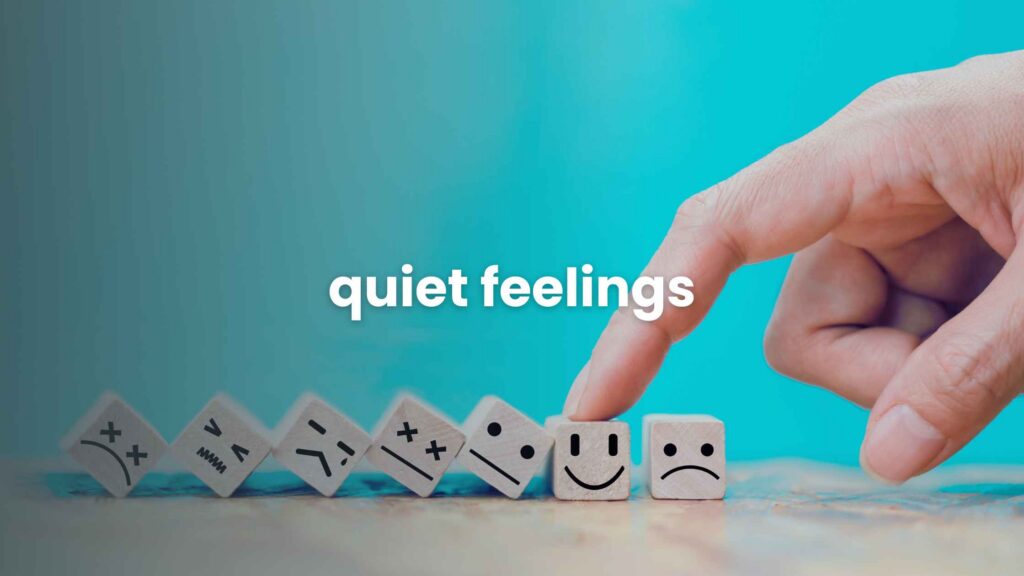
“You feel it deeply, yet struggle to explain it.”
Not every emotion fits neatly into happy, sad, angry, or excited. Some feelings hover in the background of daily life, familiar but unnamed. You recognize them instantly when they arrive, yet language fails you when you try to describe them. Psychologists, linguists, and philosophers have spent decades identifying these emotional gray zones, often borrowing words from other cultures to do so.
Here are emotions you have almost certainly felt before, even if you never knew they had names.
Sonder
“Everyone is the main character in their own story.”
Sonder is the realization that every stranger you pass has a life as vivid and complex as your own. The person sitting next to you on the bus is not just background scenery. They have memories, routines, regrets, and people waiting for them at home.
The concept gained popularity through linguistic research into emotional awareness and perspective taking. Psychologists link sonder to empathy development and theory of mind, the ability to understand that others have independent inner lives. It often appears unexpectedly, usually while people watching, and disappears just as quietly.
Lachesism
“What if something dramatic finally broke the routine?”
Lachesism describes the strange desire for something catastrophic to happen, not out of self harm, but out of boredom. Think daydreams about storms, blackouts, or sudden life disruptions that would force everything to reset.
Clinical psychologists note that this feeling often appears during periods of emotional numbness or routine fatigue. It is not a wish for destruction, but a craving for intensity. Your brain is essentially saying, anything but this.
Énouement
“You finally understand, but it is too late to use it.”
Énouement refers to the bittersweet clarity that arrives after an experience is already over. You suddenly understand how things should have been handled, what mattered, and what did not. Unfortunately, the moment for action has passed.
This emotion is frequently discussed in cognitive psychology in relation to hindsight bias. The mind loves resolution, even if it arrives late. Énouement can feel heavy, but it also signals emotional growth.
Kenopsia
“A place stripped of its usual life feels unsettling.”
Kenopsia is the eerie atmosphere of places that are normally busy but suddenly empty. A school hallway at night. A shopping mall early in the morning. A city street during a blackout.
Environmental psychologists explain this feeling as a mismatch between expectation and reality. Your brain anticipates noise and movement, and when it does not find them, it creates discomfort. Kenopsia is silence that feels loud.
Liberosis
“What if you cared just a little less?”
Liberosis is the desire to care less deeply about things that emotionally exhaust you. It is not apathy, but selective detachment. You still care, just not at full volume.
Studies on emotional regulation show that people often seek this state after prolonged stress or over empathy. Liberosis is your nervous system asking for boundaries, not indifference.
Chrysalism
“Rain outside, safety inside.”
Chrysalism is the calm, cozy feeling of being indoors during bad weather. Rain hits the windows, the world slows down, and you feel protected. Productivity drops. Peace rises.
Neuroscience research connects this sensation to reduced sensory overload and increased feelings of security. Evolutionarily, shelter during storms meant survival. Your brain still celebrates that fact with a warm emotional glow.
Ellipsism
“The sadness of knowing you will miss what comes next.”
Ellipsism is the melancholy that comes from knowing you will not experience the future beyond your lifetime. You will never see how the story continues. The thought is not terrifying, just quietly sad.
Philosophers and existential psychologists describe this as a natural byproduct of long term thinking. It often appears during moments of reflection, aging, or when witnessing rapid technological change.
Why Naming Emotions Matters
“What you can name, you can understand.”
Research in emotional psychology consistently shows that labeling emotions reduces their intensity and increases self control. This process, known as affect labeling, helps the brain process complex feelings instead of being overwhelmed by them.
When you realize a strange emotional moment has a name, it becomes less isolating. You are no longer broken or dramatic. You are human, sharing experiences that others have felt long enough to name.
The Quiet Relief of Recognition
You do not need to memorize these words or use them in daily conversation. Their power lies in recognition. The next time one of these emotions surfaces, you may catch yourself thinking, oh, this again. And somehow, that awareness makes it lighter.
Language does not create emotions. It simply hands us a flashlight in rooms we have been standing in all along.