
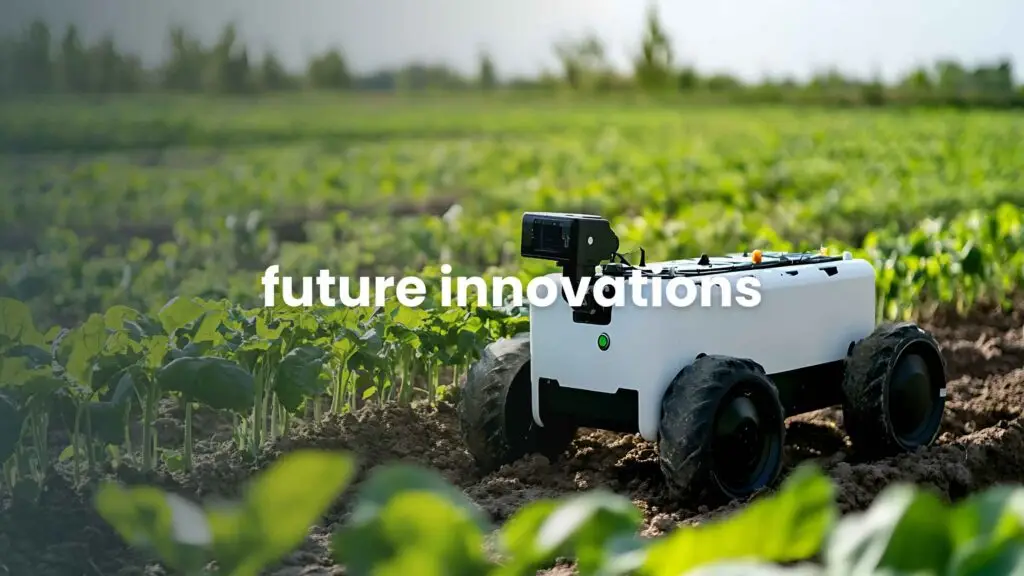
“The future isn’t just coming—it’s already here, waiting to transform our lives.”
From flying cars to medical breakthroughs that sound like they belong in science fiction, innovation is reshaping the world at an unprecedented pace. By 2030, we will witness transformative technologies that promise to revolutionize industries, improve lives, and address some of the most pressing global challenges. Let’s dive into five groundbreaking innovations that are set to change the course of humanity in the years to come.
1. Artificial Intelligence Beyond Imagination
“AI will either be your best friend—or your boss.”
Artificial intelligence (AI) is no longer just a futuristic concept; it’s already deeply woven into our daily lives. By 2030, AI will advance beyond recognition, driving progress in almost every industry.
- Personalized Medicine: AI will analyze genetic data and medical history to create personalized treatment plans, potentially curing diseases like cancer or diabetes.
- Workplace Automation: Expect AI to handle complex tasks like legal document analysis, financial predictions, and even creative roles, leaving humans to focus on innovation and problem-solving.
- Ethical AI: With great power comes great responsibility. AI researchers are now focusing on making AI ethical and unbiased, ensuring it benefits all of humanity instead of just a privileged few.
According to a report by PwC, AI could contribute up to $15.7 trillion to the global economy by 2030, making it one of the most impactful technologies of the decade.
2. Quantum Computing: The Supercomputer Revolution
“Think your laptop is fast? Wait until you meet a quantum computer.”
Quantum computing might sound intimidating, but its potential is mind-blowing. Unlike traditional computers, which process information in binary (1s and 0s), quantum computers use quantum bits, or qubits, to perform calculations at unimaginable speeds.
| Potential Impact Areas | How Quantum Computing Will Help |
|---|---|
| Drug Discovery | Simulate molecules to develop new medicines faster. |
| Cybersecurity | Create unhackable encryption methods. |
| Climate Change | Model complex weather systems to predict and mitigate climate issues. |
In 2024, companies like Google and IBM are already making strides in quantum computing, but by 2030, this technology could become mainstream, solving problems that are impossible for today’s computers.
3. Renewable Energy Breakthroughs
“The sun isn’t setting on fossil fuels—it’s rising on renewables.”
The energy landscape is shifting rapidly as the world moves away from fossil fuels toward sustainable alternatives. By 2030, renewable energy technologies will achieve levels of efficiency and affordability that could make traditional energy sources obsolete.
- Solar and Wind Power: Advances in solar panel technology will make energy harvesting more efficient, while offshore wind farms will harness untapped power from the oceans.
- Energy Storage: Breakthroughs in battery technology will allow renewable energy to be stored for longer periods, solving the intermittency problem of solar and wind power.
- Hydrogen Fuel Cells: These will play a significant role in powering vehicles and industries without harmful emissions.
A BloombergNEF study estimates that renewable energy will account for 65% of global electricity generation by 2030, reducing carbon emissions and slowing the pace of climate change.
4. Biotechnology and Genetic Engineering
“We’re not just editing genes; we’re rewriting the future.”
Biotechnology has already given us genetically modified crops and groundbreaking medicines, but the next decade will push the boundaries even further.
- CRISPR-Cas9: This gene-editing technology will become more precise, allowing scientists to cure genetic disorders, enhance food security, and even combat aging.
- Lab-Grown Meat: Say goodbye to factory farming. By 2030, lab-grown meat will be affordable, sustainable, and indistinguishable from traditionally farmed meat.
- Organ Regeneration: Researchers are working on growing organs in labs using stem cells, potentially ending organ donor shortages.
According to a report by McKinsey, biotechnology could add $4 trillion annually to the global economy by 2030, with applications spanning healthcare, agriculture, and manufacturing.
5. Space Exploration and Colonization
“The final frontier isn’t so far anymore.”
The 2020s reignited humanity’s interest in space, and by 2030, we could witness extraordinary milestones in space exploration.
- Mars Colonization: SpaceX’s ambitious plans to establish a human colony on Mars could become a reality by the end of this decade.
- Moon Bases: NASA and other agencies are working on creating sustainable bases on the Moon to serve as a springboard for further space exploration.
- Space Tourism: Companies like Blue Origin and Virgin Galactic aim to make space travel accessible to the (very wealthy) masses, paving the way for commercial space tourism.
While space exploration is still a costly endeavor, its potential benefits—such as resource mining and technological innovation—could significantly impact life on Earth.
What Does the Future Hold?
“Innovation doesn’t just happen—it’s created by dreamers and doers.”
The innovations highlighted here are just the tip of the iceberg. By 2030, advancements in robotics, virtual reality, and even brain-computer interfaces could further reshape our understanding of what’s possible.
While these technologies promise incredible benefits, they also come with ethical, social, and environmental challenges. As we move forward, it’s essential to ensure that innovation serves humanity as a whole, bridging gaps instead of creating new divides.