
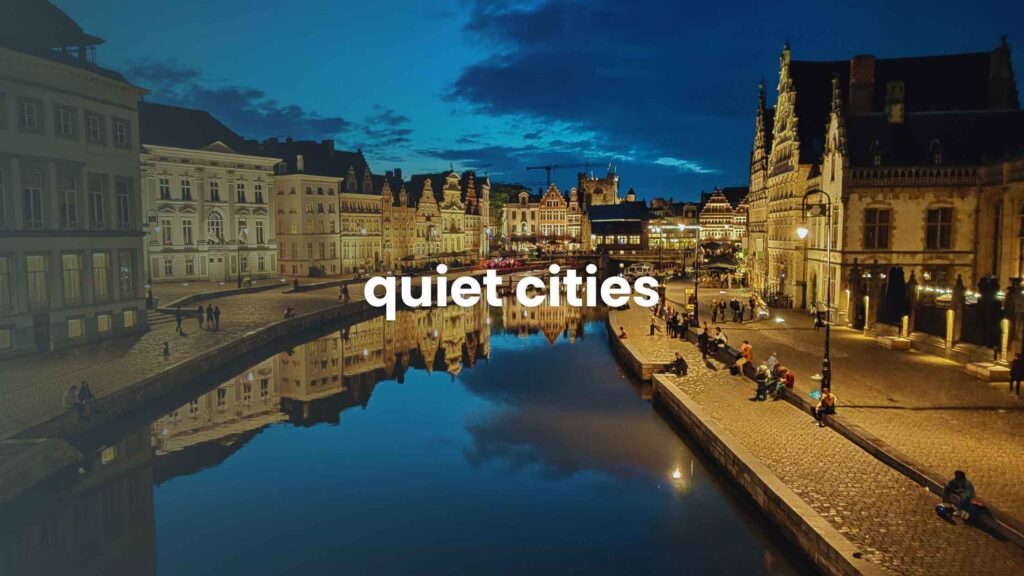
There is a moment when a place still belongs to itself. Before the influencer guides. Before the identical souvenir shops. Before the line that starts forming at sunrise.
These cities are not obscure villages or remote outposts. They are lively, layered, and full of history, food, and culture. They are just early in their fame cycle.
“Big enough to matter, quiet enough to breathe”
Not everyone wants a capital city checklist. Many travelers are looking for places that feel lived in, not performed. Cities where locals outnumber visitors and daily life still sets the rhythm.
That is exactly where these destinations sit.
Ghent, Belgium
A medieval city that somehow escaped mass tourism
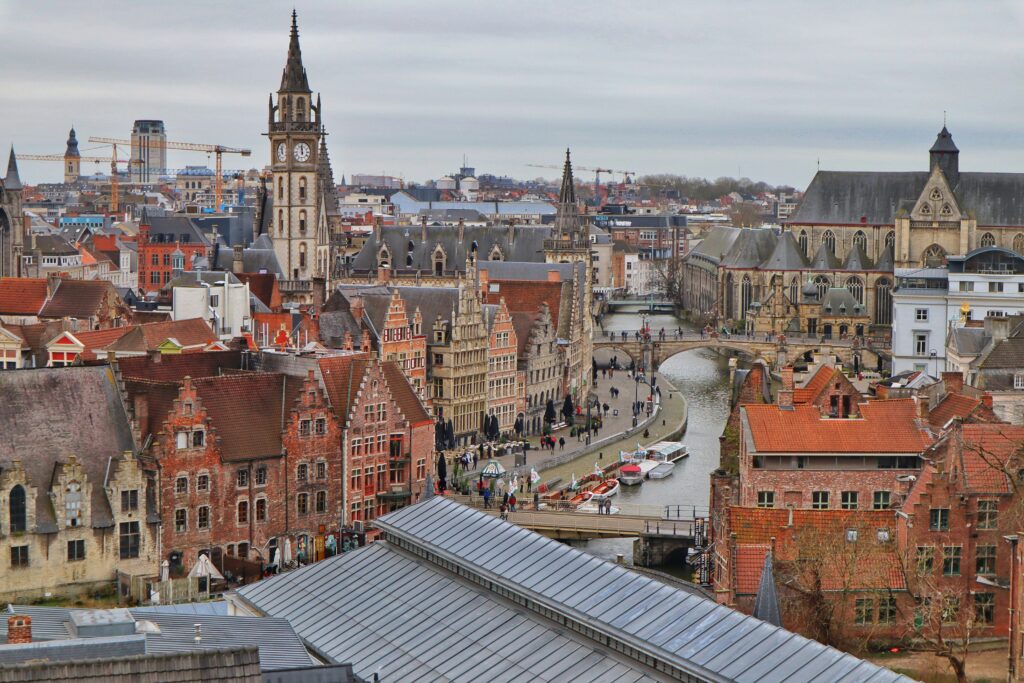
Ghent has canals, gothic towers, and cobblestone streets that rival Bruges, but without the postcard crowds. It is a student city, which means nightlife, culture, and a creative edge that keeps it from feeling frozen in time.
Urban studies on livability often point to mid sized university cities as places where culture thrives naturally. Ghent fits that pattern perfectly, with art spaces, food markets, and a social life that spills into the streets.
San Sebastian, Spain
Fine dining disguised as a beach town
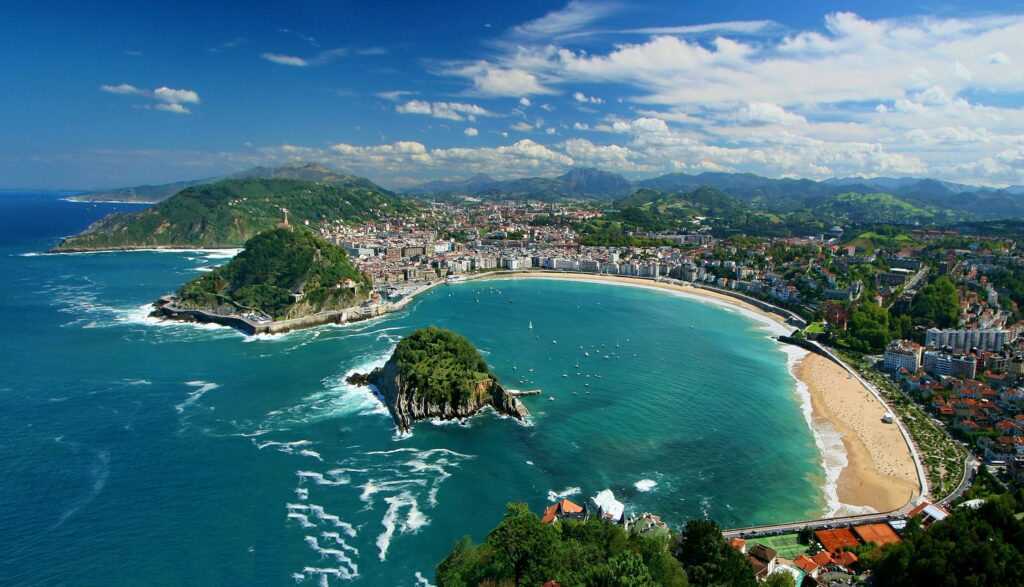
This city quietly holds one of the highest concentrations of Michelin starred restaurants in the world. Yet it still feels relaxed. Pintxos bars line the old town, beaches sit minutes from the center, and food culture here is daily life, not luxury theater.
Sociological research on food culture shows that cities with strong local dining traditions tend to preserve authenticity longer. San Sebastian is proof, for now.
Melaka, Malaysia
Where empires left their fingerprints
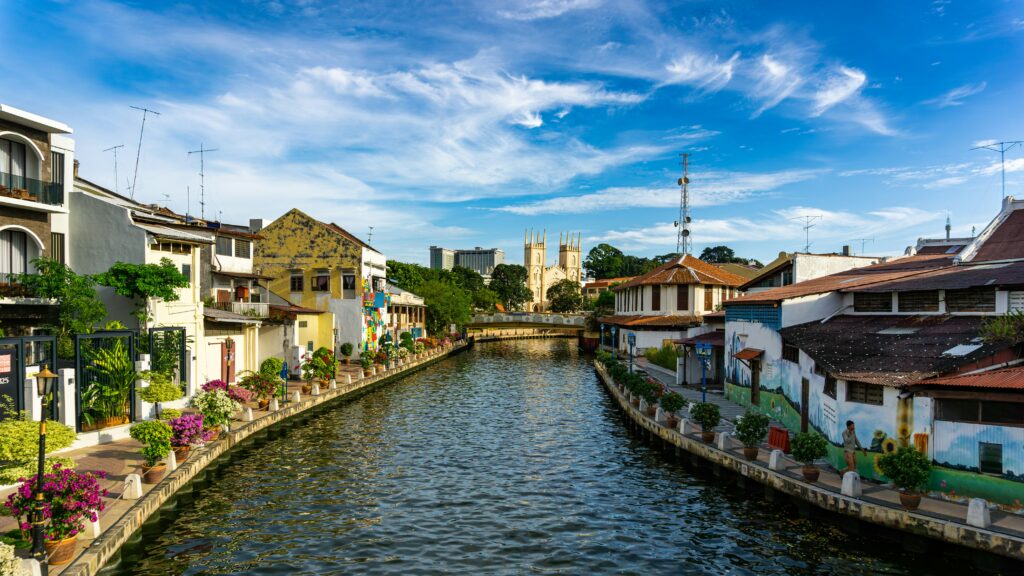
Melaka was shaped by Portuguese, Dutch, British, Chinese, and Malay influences. That sounds like chaos, but it works. The result is layered architecture, hybrid cuisine, and a city that tells global history without feeling like a museum.
Unlike larger Southeast Asian cities, Melaka remains walkable and slow paced. Perfect for travelers who prefer curiosity over chaos.
Lecce, Italy
Baroque beauty without Roman crowds
Lecce looks like it should be overwhelmed with tourists. It is not. Known as the Florence of the South, it offers ornate architecture, warm evenings, and a deeply local food culture rooted in southern Italian tradition.
Behavioral tourism studies suggest that travelers often cluster around familiar names. Lecce benefits from being stunning and overlooked at the same time.
Tartu, Estonia
A thinking city with a soul
Tartu is Estonia’s intellectual heart. It is young, experimental, and quietly charming. Cafes double as philosophy debates, river walks feel personal, and creativity feels unforced.
Cities with strong academic roots often attract long term travelers rather than short term crowds. Tartu rewards curiosity instead of urgency.
Puebla, Mexico
History, color, and food that deserves global fame
Puebla is visually striking, culturally rich, and gastronomically important. Mole poblano alone could justify the trip. Yet many travelers skip it in favor of coastal routes or Mexico City.
Anthropologists studying culinary heritage often point to cities like Puebla as guardians of tradition. You taste history here, not reinvention.
Plovdiv, Bulgaria
Older than Rome, quieter than you expect
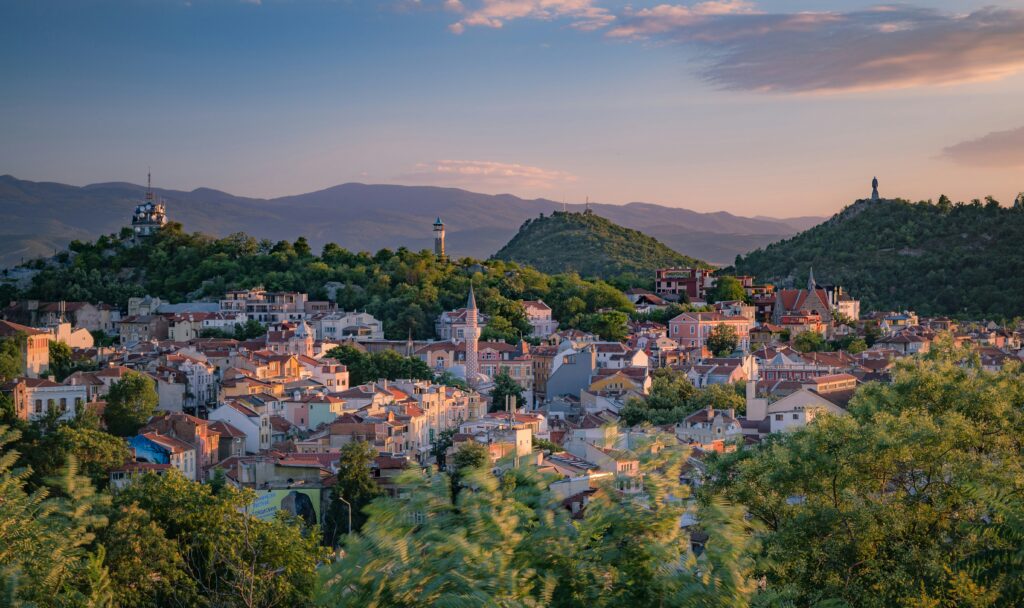
Plovdiv is one of Europe’s oldest continuously inhabited cities. Roman ruins sit casually beside modern cafes. Art galleries occupy old houses. Life moves at an unhurried pace.
Cultural economists note that cities with layered histories but limited marketing often retain authenticity longer. Plovdiv has not started performing itself yet.
Luang Prabang, Laos
Spiritual calm in a modernizing region
This riverside city balances Buddhist tradition with gentle tourism. Monks walk the streets at dawn. Cafes overlook the Mekong. Time feels stretched.
Psychological research on travel shows that environments combining nature and ritual often produce deeper emotional experiences. Luang Prabang quietly delivers both.
Ljubljana, Slovenia
Green, human sized, and effortlessly livable
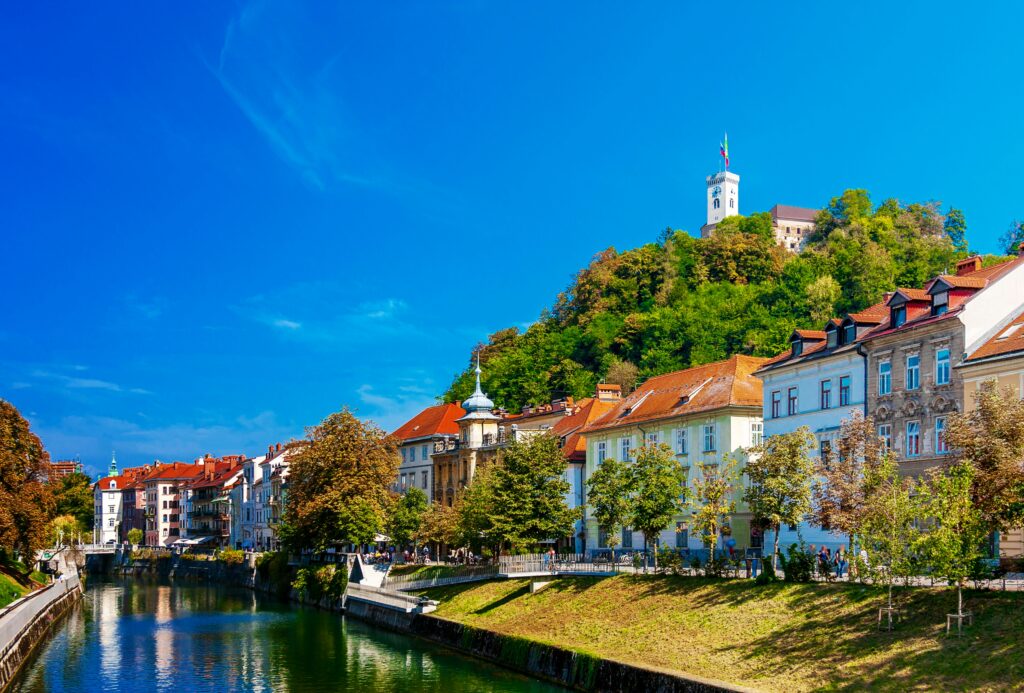
Ljubljana feels designed for people, not traffic. Car free streets, riverside cafes, and a compact old town make it easy to settle into rather than rush through.
Urban planners often cite Ljubljana as a model for sustainable city design. Travelers notice something simpler. It just feels good to be there.
Arequipa, Peru
A white city with volcanic views and soul
Framed by volcanoes, built from pale stone, and anchored by strong local traditions, Arequipa offers depth without overwhelm. Food culture here is proud, regional, and rooted.
Cities that sit outside capital shadows often preserve identity longer. Arequipa stands confidently on its own.
“Before the algorithm finds them”
These cities are not hidden because they lack value. They are hidden because they have not been flattened into a brand yet.
Travel trends research consistently shows that once a destination tips into mass visibility, experience quality shifts. Prices rise. Rhythms change. Locals adapt.
Exploring places like these is not about bragging rights. It is about timing.
You are not early forever. But you are early now.